Hazrat Nizamuddin Dargah in Delhi

Nizamuddin Dargah

About Nizamuddin Dargah

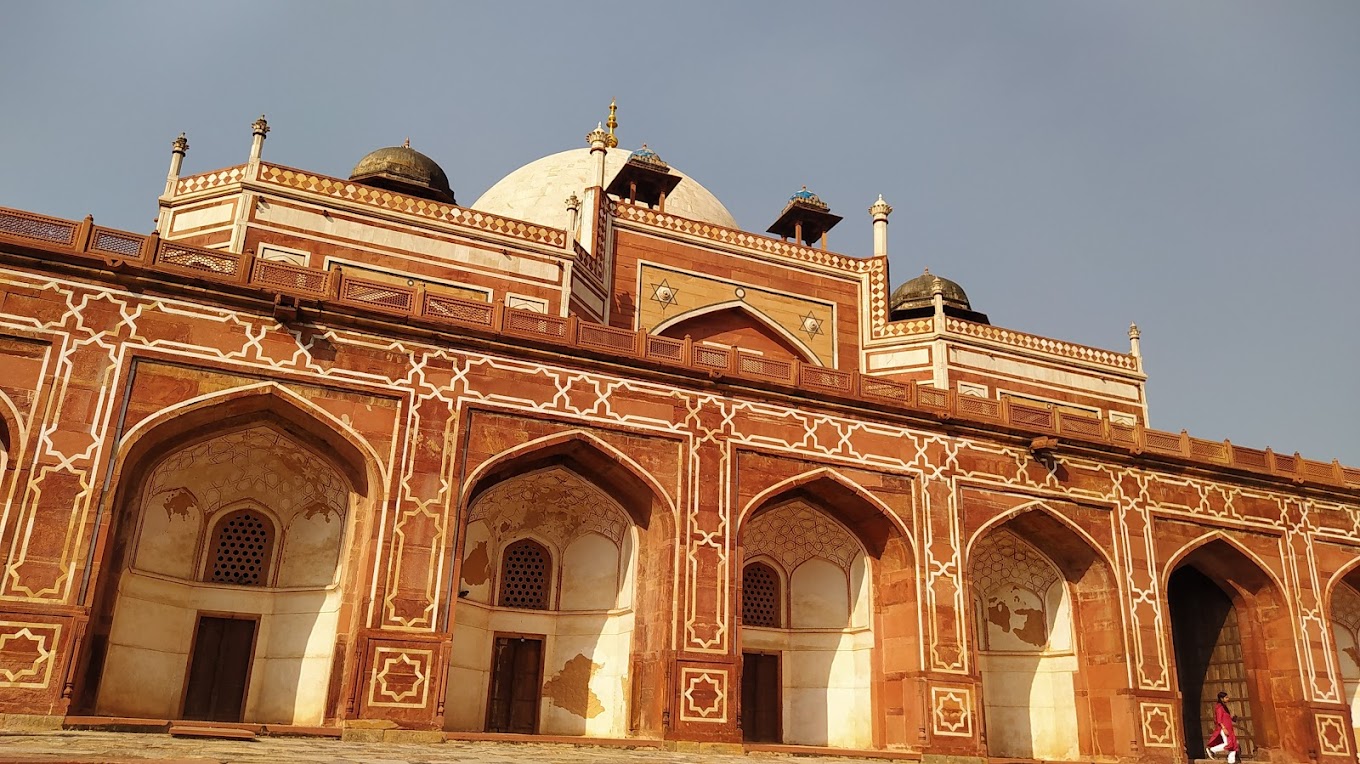
Many Sufiana enthusiasts from all over the world visit the dargah of Hazrat Nizamuddin Auliya, one of the most highly respected Sufi saints in India. Hazrat Nizamuddin died in 1325 and the original tomb does not exist anymore. Firuz Shah Tughlaq, an emperor of the Tughlaq dynasty, built his shrine, which underwent severe damage. In A.D. 1562-63, Fariuddin Khan, a high-ranking nobleman, rebuilt the present building. Since then, several repairs and renovations have been carried out on it. The compound also has many other tombs of nobilities like Amir Khusrau (famous poet) and Jahanara (daughter of Emperor Shah Jahan).Nizamuddin Dargah
The Neighborhood

The dargah named after the saint divides the neighborhood surrounding it into two parts along Mathura Road: Nizamuddin West, where Muslim vendors dominate a lively market located near the Dargah complex, and Nizamuddin East, an upper-class residential area situated between Humayun’s Tomb and the Nizamuddin Railway Station.

The other important monuments in the Nizamuddin heritage area include Humayun’s Tomb, Chausath Khamba, Mirza Ghalib’s tomb, Barakhamba, Sabz Burj (Blue Gumbad) at the Nizamuddin Circle and Lal Mahal.

Drug abuse, crime, and poverty remain a big problem for the neighborhood.
Read more

Guru Har Krishan’s Bangla Sahib Gurudwara in Delhi

Gurdwara Bangla Sahib

Introduction

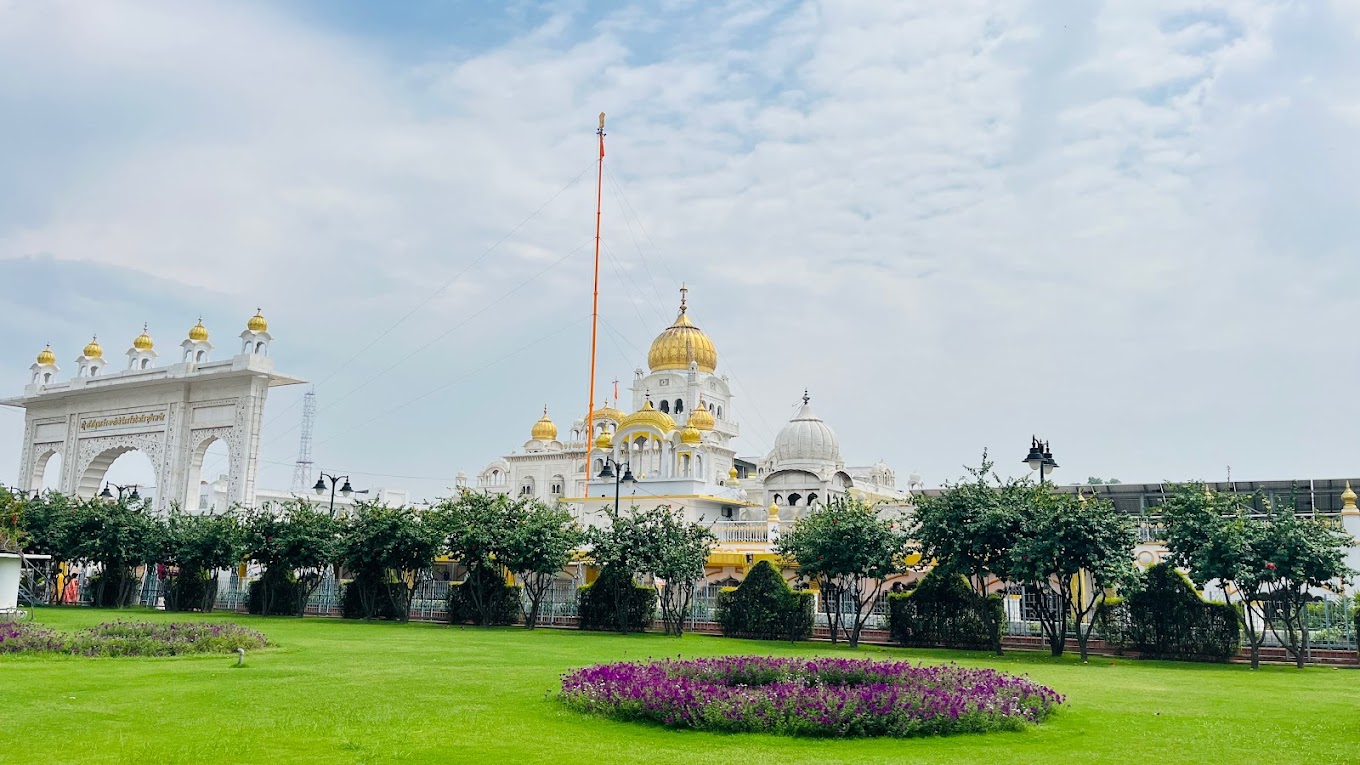
Gurudwara Bangla Sahib, associated with the eighth Sikh Guru, Guru Har Krishan, is Delhi’s most prominent Sikh gurdwara. Sikhs consider the water of the pond inside its complex, known as the “Sarovar,” to be holy and refer to it as “Amrit.” It was first built as a small temple by Sikh General, Sardar Bhagel Singh in 1783, who supervised the construction of nine Sikh shrines in Delhi in the same year, during the reign of Mughal Emperor, Shah Alam II.

It is situated near Connaught Place, New Delhi, and is instantly recognizable by its stunning golden dome and tall flagpole, Nishan Sahib.

Gurdwara Bangla Sahib

History

Raja Jai Singh, an Indian ruler in the seventeenth century, originally owned the bungalow that is now Gurdwara Bangla Sahib. Known as Jaisinghpura Palace, it was located in Jaisingh Pura, a historic neighborhood later demolished to make way for the Connaught Place shopping district.

The eighth Sikh Guru, Guru Har Krishan resided here during his stay in Delhi in 1664. During that time, there was a smallpox and cholera epidemic, and Guru Har Krishan helped the suffering by giving aid and fresh water from the well at his house. Soon he too contracted the illness and eventually died on March 30, 1664. Raja Jai Singh later constructed a small tank over the well. Sikhs worldwide now revere its water for its healing properties and take it back to their homes.

The Gurdwara and its Sarovar are now a place of great reverence for Sikhs and a place for a special congregation on the birth anniversary of Guru Har Krishan.

Read more

The Rashtrapati Bhavan in Delhi

Rashtrapati bhavan

Introduction

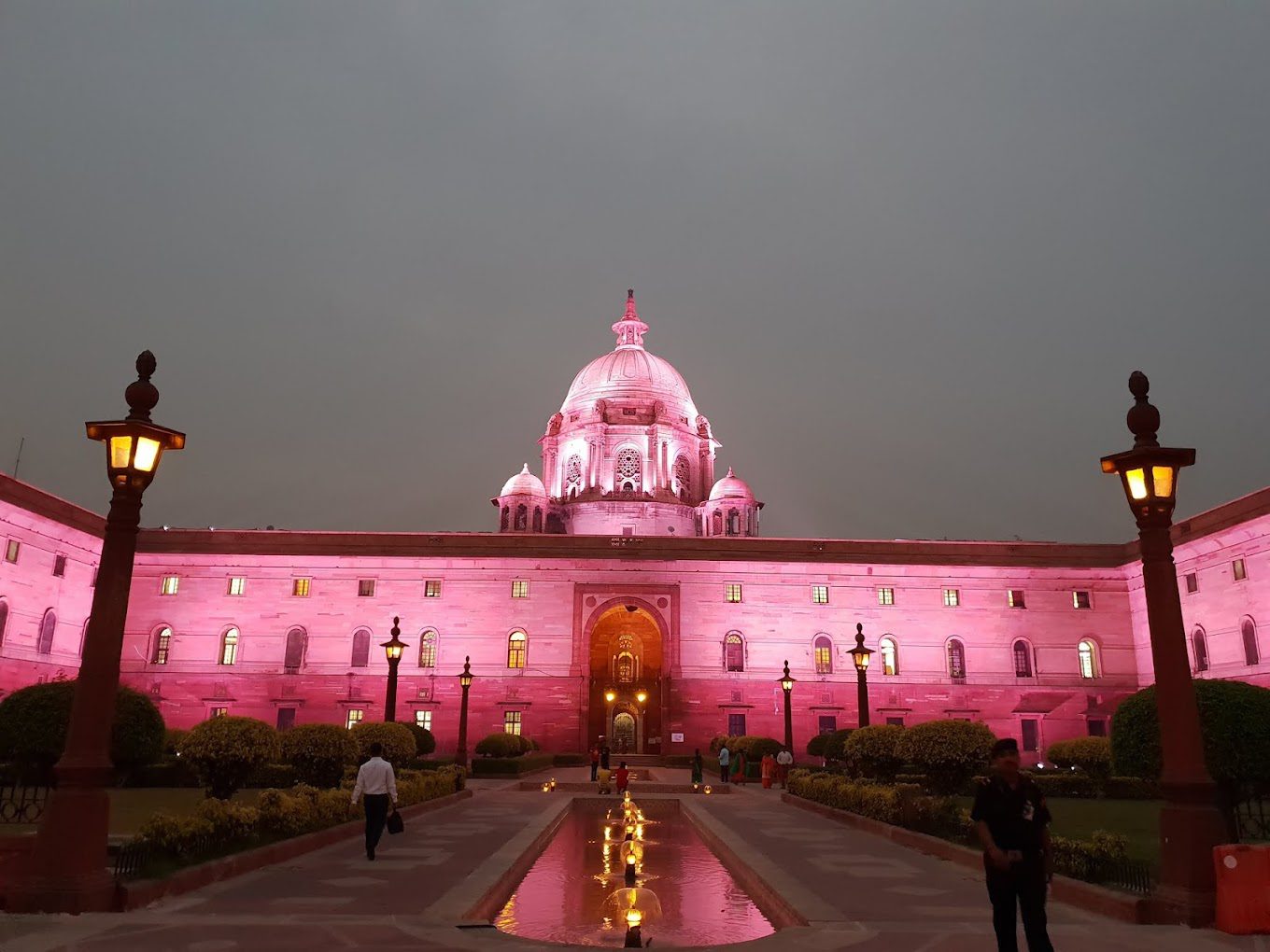
The Rashtrapati Bhavan (Sanskrit for Presidential House) or The Official Residence of the Head of the State is the official residence of the President of India, located at Raisina Hill in New Delhi, India. Until 1950, people knew it as “Viceroy’s House,” and it served as the residence of the Viceroy and Governor-General of India. It stands amidst an area known as Lutyens’ Delhi.

Largest Residence of Any Head of State

At present, it is the largest residence of any Head of State in the world. Planners had initially scheduled the construction of the building for 4 years, but World War I intervened, extending the construction period to 19 years. Its first occupant, Lord Irwin, moved into the premises on January 23, 1931.

Read more

Parliament House of India

parliament house

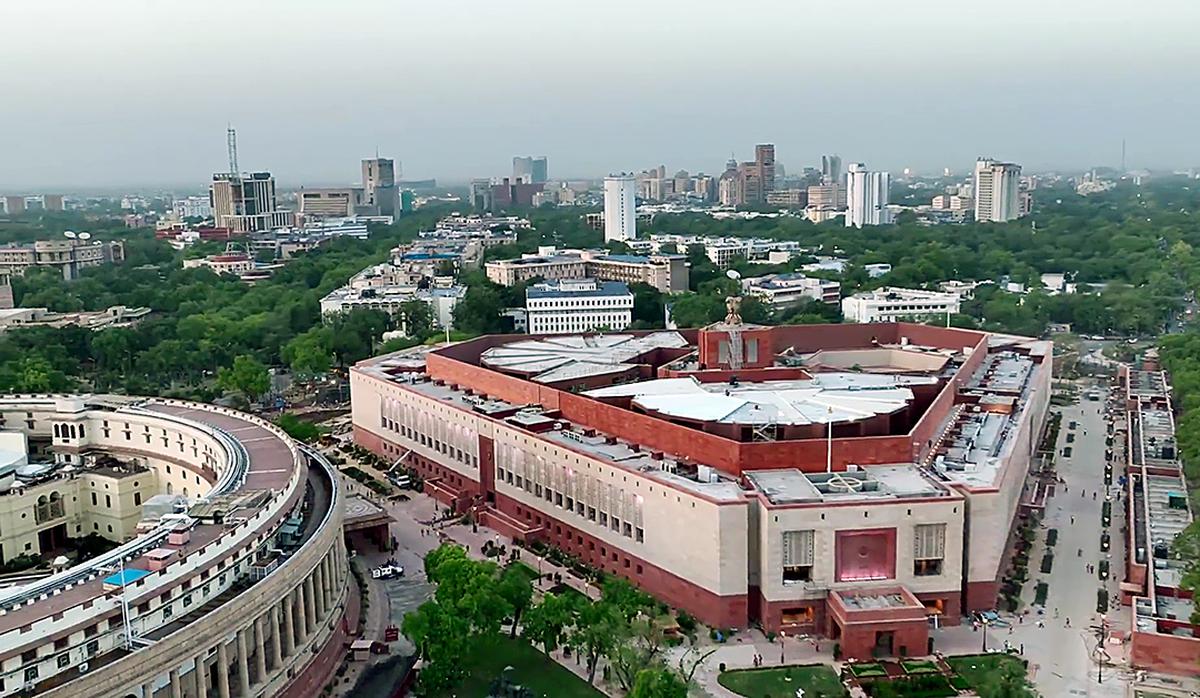
The Parliament of India is the supreme legislative body in India. Founded in 1919, the Parliament alone possesses legislative supremacy and thereby ultimate power over all political bodies in India. The Parliament of India comprises the President of India and the two Houses, Lok Sabha (House of the People) and Rajya Sabha (Council of States). The President has the power to summon and prorogue either House of Parliament or to dissolve Lok Sabha.

The parliament is bicameral, with an upper house called as Council of States or Rajya Sabha, and a lower house called as House of People or Lok Sabha. The two Houses meet in separate chambers in the Sansad Bhavan (located on the Sansad Marg), in New Delhi. People commonly refer to the members of either house as Members of Parliament or MPs. Direct elections elect the MPs of Lok Sabha, while the MPs of Rajya Sabha are elected by members of the State Legislative Assemblies and Union territories of Delhi and Pondicherry only, in accordance with proportional voting. The Parliament is composed of 790 MPs, who serve the largest democratic electorate in the world (714 million eligible voters in 2009).

parliament house
parliament house

History Of Parliament

During the introductory stage, planners intended for the parliament house, originally known as the ‘Council House,’ to be a part of the Rashtrapati Bhavan. However, in 1919, the Montague-Chelmsford reforms announced its design as the Indian parliament. Architects planned various designs for the building, from a triangular to a Roman colosseum-like structure, which led to its present circular design with a colonnaded verandah, featuring 144 pillars and a diameter of 560 feet. Prince Arthur, Duke of Connaught, the third son of Queen Victoria, laid the foundation stone of the Council House on February 12, 1921. The building in pale and red Dholpur sandstone used the same theme as the neighboring Secretariat Building. Then Governor-General of India, Lord Irwin, inaugurated the nearly six-acre building on January 18, 1927. It is now commonly known as Sansad Bhavan.

Read more

Salimgarh Fort at Yamuna River in Delhi

Salimgarh Fort

History of Salimgarh Fort

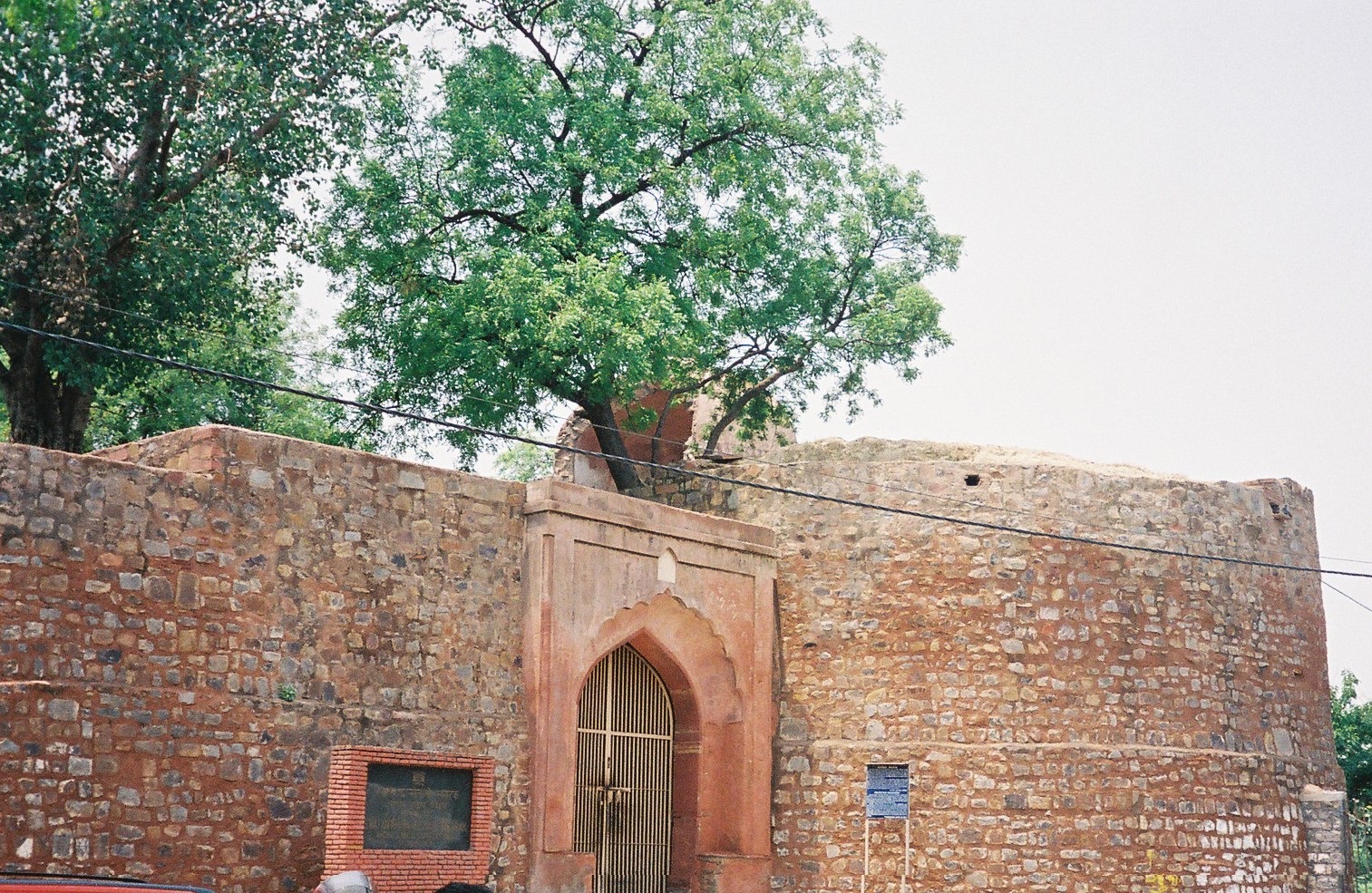
Salim Shah Suri, son of Sher Shah Suri built this fort in 1546 AD, on a former island of the Yamuna River. This fort was named Salimgarh Fort. There was a pause in Mughal rule when in 1540 AD Sher Shah Suri defeated the Mughal Emperor Humayun (and ousted him from Delhi) and established the Sur dynasty rule in Delhi. Sur dynasty rule lasted till 1555 AD when Humayun regained his kingdom by defeating Sikander Suri, the last ruler of the dynasty. During the Mughal period, several Mughal rulers, including Emperor Shah Jahan, who completed Shahjahanabad in 1639 AD, camped at this fort while building the Red Fort and Shahjahanabad. Historical accounts suggest that Humayun camped at this fort for three days before launching his successful attack to recapture Delhi.

Salimgarh Fort
Salimgarh Fort

Transformation into a Prison

Aurangzeb, the Mughal Emperor, converted the fort into a prison. The British, who took control of the fort in 1857, perpetuated this practice. The Fort is part of the Red Fort Complex. The declaration of the complex as a UNESCO World Heritage site in 2007 obligates the Archaeological Survey of India (ASI) to ensure well-planned conservation measures for the heritage monuments.

Read more