Beautiful and Historic Siddhivinayak Temple

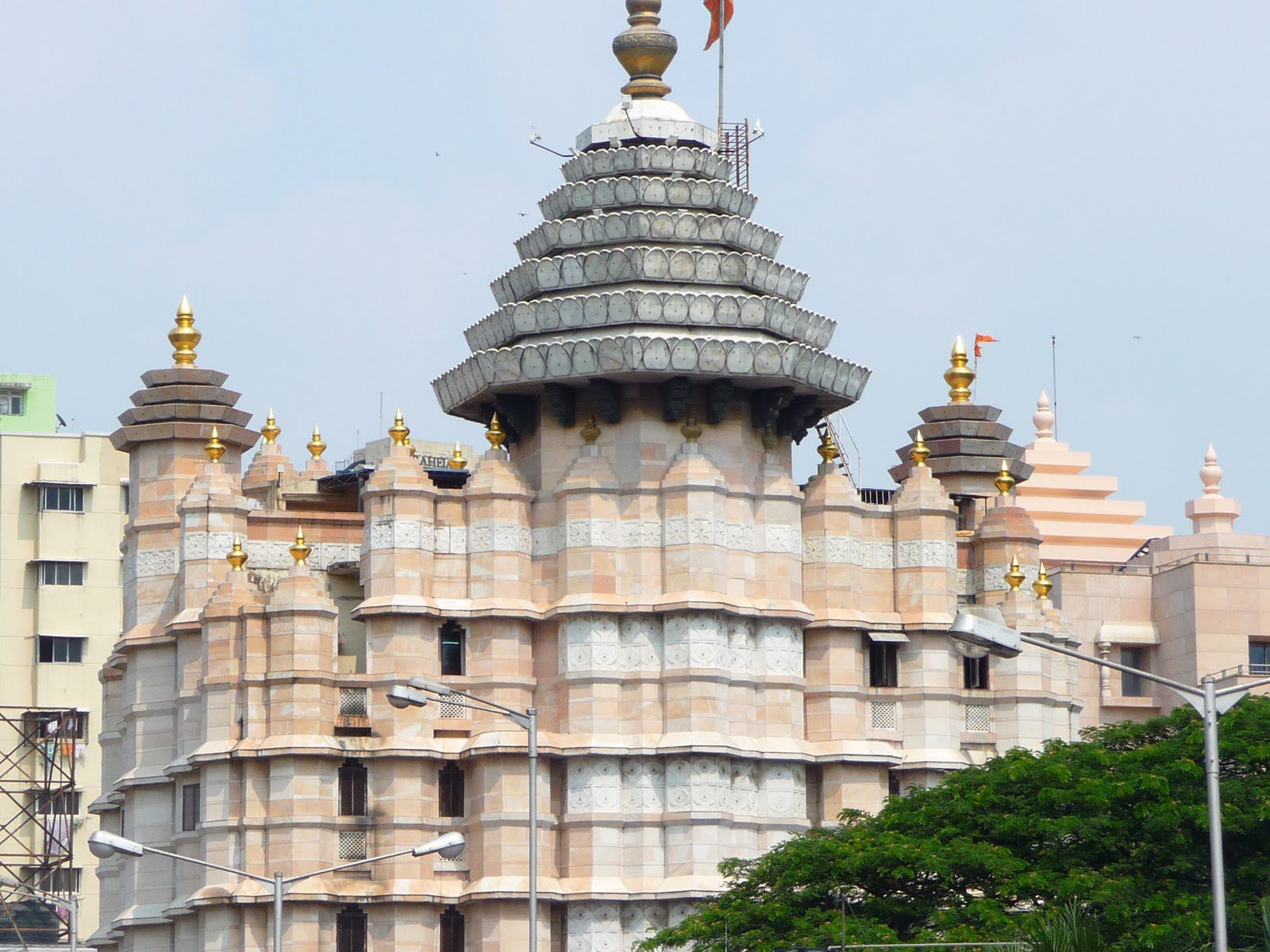
Shri Siddhivinayak offers an important opportunity for anyone who’s interested in seeing inside a Hindu temple and paying respect to one of Hinduism’s most revered Gods. While many Hindu temples only allow Hindus to enter, thereby adding to the religion’s mystery, this temple welcomes everyone with its open door policy. Shree Siddhivinayak Ganapati Mandir is a Hindu temple dedicated to Ganesh. It is located in Prabhadevi, Mumbai, Maharashtra. It was originally built by Laxman Vithu and Deubai Patil on November 19, 1801. Though it is one of the richest temples in Mumbai, the current generation of Patil is staying in state of despair near the temple.

The temple has a small mandap (hall) with the shrine for Siddhi Vinayak (“Ganesh who grants your wish”). The wooden doors to the sanctum are carved with images of the Ashtavinayak (the eight manifestations of Ganesh in Maharashtra). The inner roof of the sanctum is plated with gold, and the central statue is of Ganesh. In the periphery, there is a Hanuman temple as well.
Read more

Bahai’s Monument The Lotus Temple

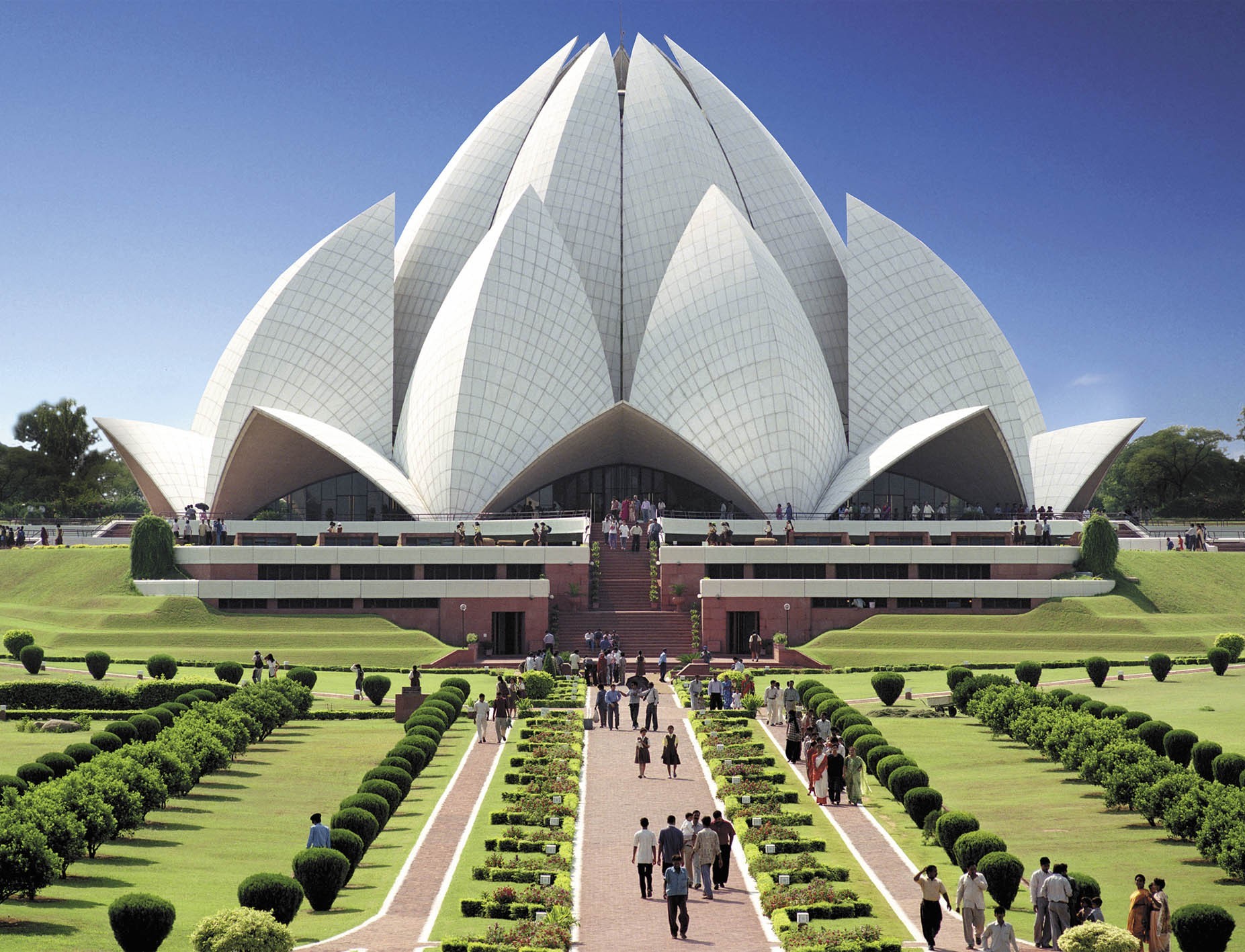
Lotus Temple is one of the remarkable architectures of Bahai faith. It is located at Kalkaji in New Delhi. The temple looks like a lotus flower and is made of marble, cement, dolomite and sand. The temple has no restrictions for visitors and is open to people from all religions. The place provides immaculate environment for meditation, peace and wisdom. The Bahai temple was completed in 1986. Since then the temple has received recognition from all over the world for its splendid architecture and design. Lotus Temple is among the most visited monuments in India. The credit for building this beautiful structure goes to the Persian architect Fariborz Sahba from Canada.

About Temple

Lotus Temple Delhi located in Kalkaji in the south of Delhi, it is lotus shaped and has rightly been given the name. It is made of marble, cement, dolomite and sand. It is open to all faiths and is an ideal place for meditation and obtaining peace and tranquility.

It is a very recent architectural marvel of the Bahai faith. The Bahá’í Faith is the youngest of the world’s independent religions. Its founder, Bahá’u’lláh (1817-1892), is regarded by Bahá’ís as the most recent in the line of Messengers of God that stretches back beyond recorded time and that includes Abraham, Moses, Buddha, Zoroaster, Christ and Muhammad. The central theme of Bahá’u’lláh’s message is that humanity is one single race and that the day has come for its unification in one global society. God, Bahá’u’lláh said, has set in motion historical forces that are breaking down traditional barriers of race, class, creed, and nation and that will, in time, give birth to a universal civilization. The principal challenge facing the peoples of the earth is to accept the fact of their oneness and to assist the processes of unification.

Read more

The Rani Sati Dadi Temple, Jhunjhunu Rajasthan

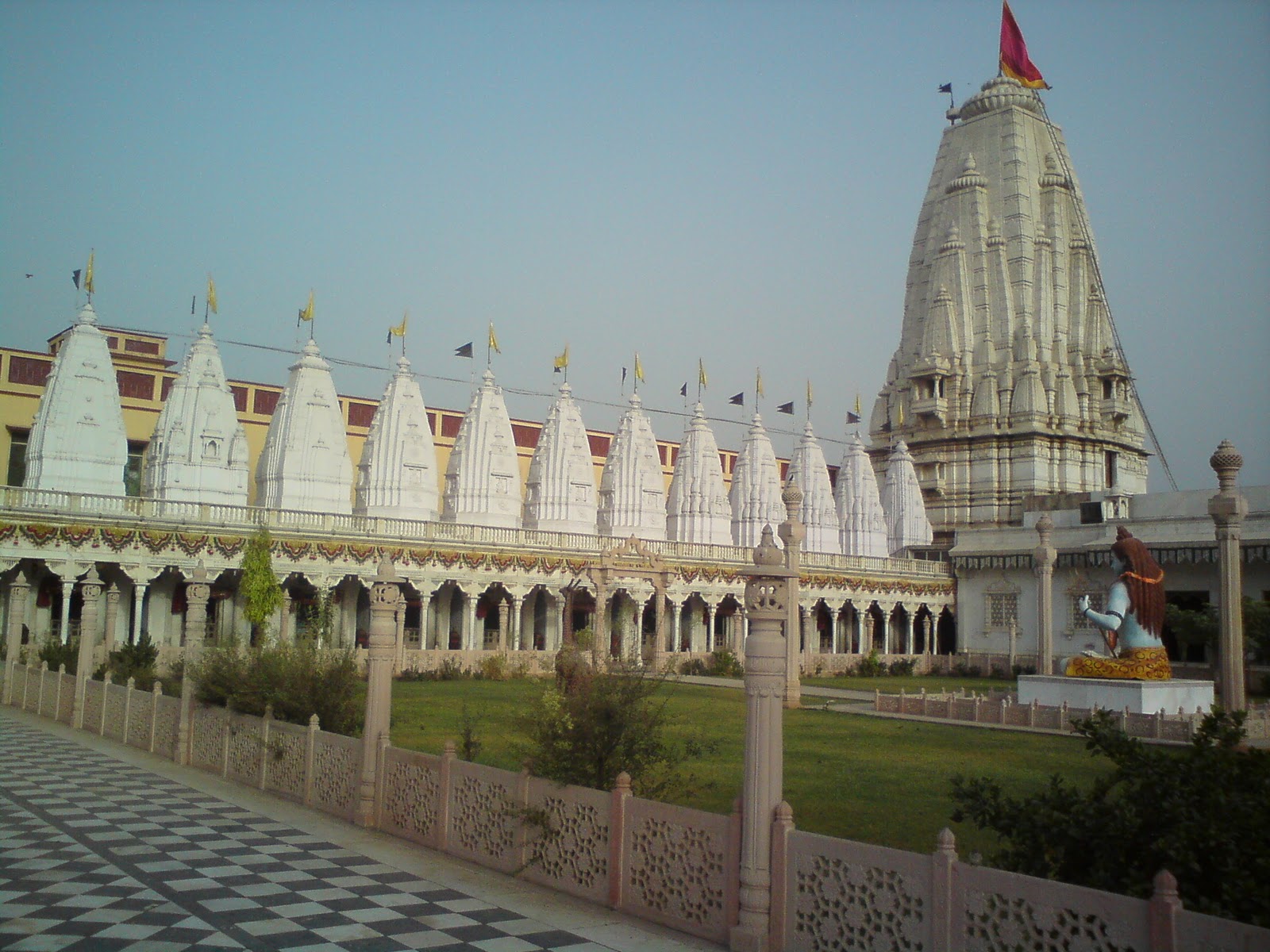
Shri Rani Sati Dadi Temple in Jhunjhunu has a history of more than 400 years and is a commanding testimony to feminine bravery and motherhood with rich tales of history that captivate the fancy of all tourists. Counted among the magnum opus temples of India, Ranisati Temple in Jhunjhunu is famous for its paintings. It is one of the earliest pilgrimages in the country. This imposing historic masterpiece is unparalleled in its appeal and is a delight to all eyes.

Read more

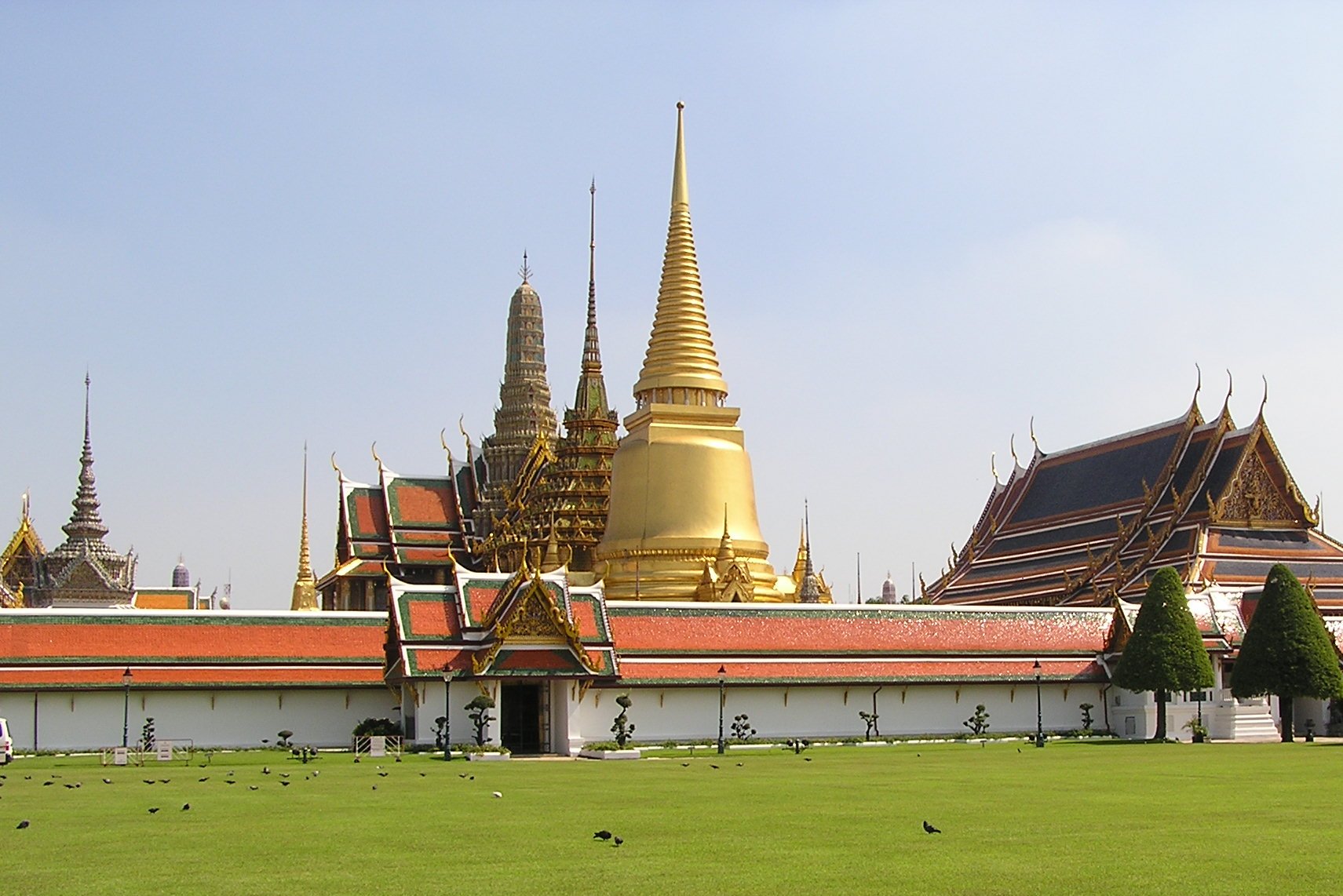
Wat Thai Temple Kushinagar in Uttar Pradesh

The Wat Thai Temple is a unique and huge temple built in the typical Thai Buddhist architectural style. This temple was built to celebrate the victory of King Bhumibol’s great accession of the throne and the subsequent Goldent Jubilee. It is a worth seeing place as it surrounded by innumerable trees. Not only this, there is a Chinese temple, the Meditation Park and an International Buddha Trust, and the Birla temple which add more charm and grace.

Read more

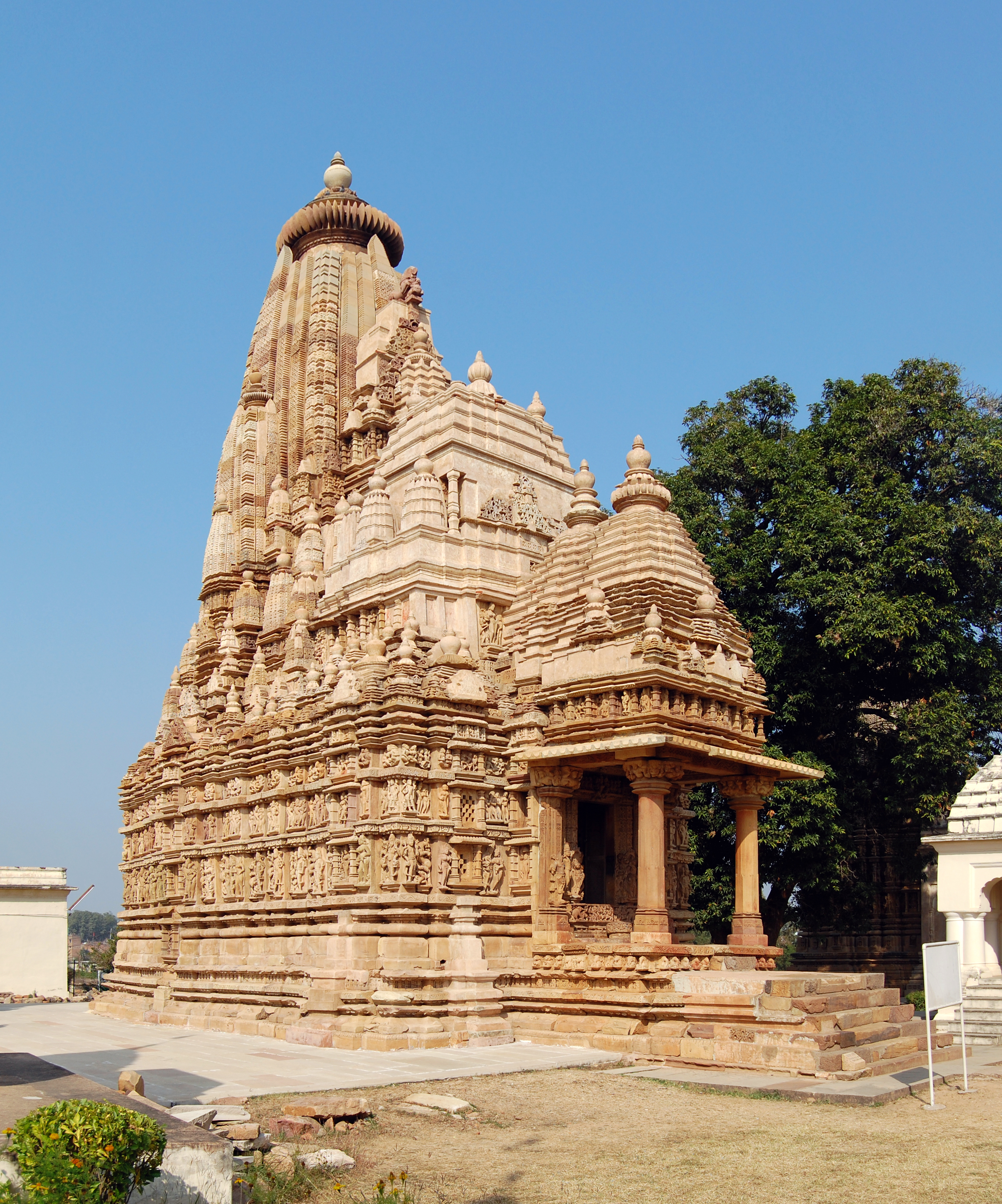
Prashvanath Temple Nakoda In Rajasthan

Dedicated to Jain Tirthankara Shri Prashvanath Temple, this temple was built by the Mandlik family in 1458-59 A.D. This is the tallest of all temples having three storeyes. The outer walls of the sanctum sanctorum have beautiful sculptures in gray sandstone showing Dikpals, Vidhyadevis, Yakshinis and Shalabhanjikas. These beautiful sculptures are frequently compared to the ones in Khajuraho and Konark temples. Thousands of pilgrims and tourists come here with devotion and admire the brilliant work of architecture. The temple of Pundarik Swami dates back to the 16th century while the Charbhuja temple and the Shiva temple had been 500-600 years ago.

Read more