
Delhi to Spiti Valley Road Trip via Kinnaur
Complete Kinnaur–Spiti Circuit Travel Guide (Route, Itinerary, Hotels, Food & Budget)
Overview of the Kinnaur–Spiti Road Trip
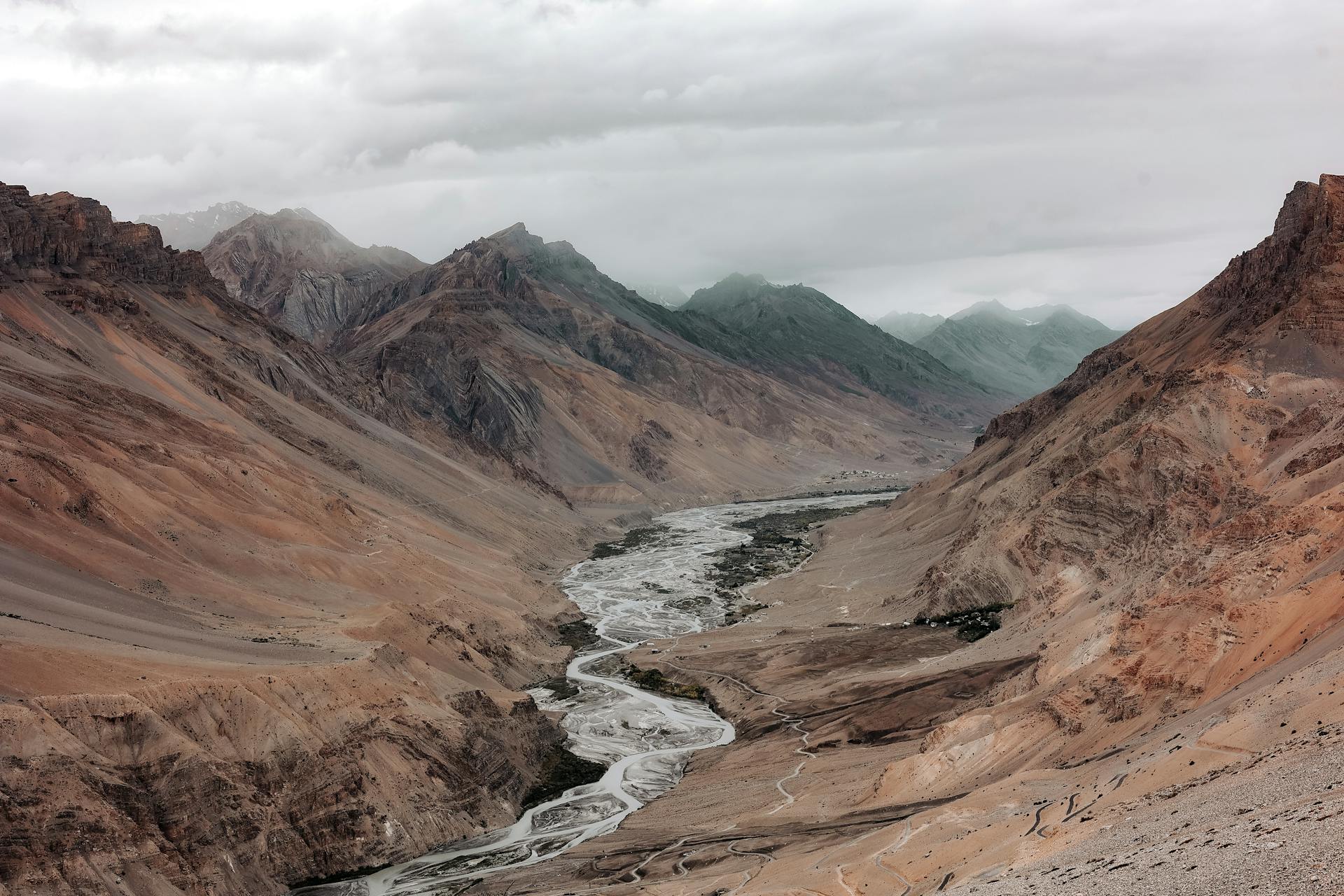
The Delhi to Spiti Valley road trip via Kinnaur is one of the most scenic and adventurous journeys in India. This route takes travelers through dramatic Himalayan landscapes, ancient monasteries, high-altitude villages, and beautiful alpine lakes.
Often called the Kinnaur–Spiti Circuit, this road trip offers a unique experience where travelers can witness two completely different landscapes:
- The lush green valleys of Kinnaur
- The rugged cold desert of Spiti Valley
This route is extremely popular among road trip lovers, bikers, photographers, and adventure travelers.
Why the Kinnaur–Spiti Circuit is Special
The Kinnaur–Spiti road trip is famous because it offers experiences that very few destinations in India can provide.
Highlights of the Journey
- Scenic Himalayan highways carved into mountains
- Ancient Buddhist monasteries over 1000 years old
- Remote villages preserving Tibetan culture
- High-altitude passes like Kunzum Pass
- Beautiful alpine lakes like Chandratal
Travelers experience a dramatic transformation from green valleys to cold desert landscapes.
Best Time to Visit Spiti Valley
The best time to visit Spiti Valley is between May and October when the mountain roads remain open.
Seasonal Overview
| Month | Travel Condition |
|---|---|
| May – June | Pleasant weather |
| July – August | Possible landslides |
| September | Clear skies |
| October | Cold but beautiful |
Winter travel is extremely difficult due to heavy snowfall.
Complete Route Overview
The complete road trip route looks like this:
Delhi
→ Shimla
→ Narkanda
→ Rampur
→ Kalpa / Reckong Peo
→ Nako
→ Tabo
→ Dhankar
→ Kaza
→ Kunzum Pass
→ Chandratal Lake
→ Manali
→ Delhi
This circular route allows travelers to gradually increase altitude, reducing the risk of altitude sickness.
Detailed Day-by-Day Itinerary
Day 1 – Delhi → Shimla
Distance: 350 km
Driving Time: 8–9 hours
Why Shimla is Important
Shimla was the summer capital of British India and still showcases beautiful colonial architecture such as Christ Church and the Viceregal Lodge. Located at about 2,200 meters above sea level, it offers scenic Himalayan views and pleasant weather. Shimla is also the main gateway for travelers heading toward Kinnaur and Spiti Valley, making it an important starting point for Himalayan road trips.
Places to Visit
- Mall Road
- Christ Church
- The Ridge
- Jakhoo Temple
Food in Shimla
Breakfast
- Aloo paratha
- Bread omelette
- Tea or coffee
Dinner
Veg
- Paneer butter masala
- Dal makhani
Non-Veg
- Chicken curry
- Trout fish
Facilities
ATM – widely available
Petrol Pump – available
Mobile Network – strong
Day 2 – Shimla → Narkanda → Kalpa
Distance: 170 km
Narkanda
Narkanda is a peaceful hill town located about 60 km from Shimla, surrounded by dense pine forests and famous apple orchards. Situated at an altitude of around 2,700 meters, it offers beautiful views of the Himalayan ranges. The town is also known for Hatu Peak and Hatu Temple, which provide stunning panoramic mountain views.
Places to Visit
- Hatu Peak
- Hatu Temple
- Tannu Jubbar Lake
Kalpa
Kalpa is a picturesque village located in the Kinnaur Valley of Himachal Pradesh, known for its stunning views of the Kinner Kailash mountain range. Situated at an altitude of around 2,960 meters, the village is famous for its apple orchards, peaceful environment, and traditional Himalayan culture. Kalpa is also an important stop for travelers exploring the Kinnaur–Spiti Valley route.
Why Kalpa is Famous
Kalpa is famous for its spectacular views of the sacred Kinner Kailash mountain range, which holds great religious significance in Hindu mythology. The village is also known for its beautiful apple orchards, traditional wooden houses, and peaceful Himalayan atmosphere. Its scenic landscapes and cultural charm make it one of the most beautiful destinations in Kinnaur Valley.
Attractions
- Kinner Kailash viewpoint
- Roghi Village
- Kalpa Monastery
Local Food
- Siddu
- Butter tea
- Tibetan noodles
Day 3 – Kalpa → Nako → Tabo
Distance: 160 km
This section marks the transition into the Spiti cold desert region.
Nako Village
Nako is a quiet high-altitude village located in the Kinnaur district of Himachal Pradesh, close to the Indo-Tibet border. Situated at around 3,600 meters above sea level, it is famous for the beautiful Nako Lake and ancient Nako Monastery. The village offers stunning views of barren Himalayan mountains and reflects strong Tibetan Buddhist culture and traditional lifestyle.
Attractions
- Nako Lake
- Nako Monastery
Food
- Momos
- Thukpa
- Tibetan bread
Tabo
Tabo is a historic village in Spiti Valley, Himachal Pradesh, famous for the Tabo Monastery built in 996 AD, making it one of the oldest Buddhist monasteries in the Himalayas. Often called the “Ajanta of the Himalayas,” the monastery is known for its ancient murals, paintings, and meditation caves, attracting travelers and spiritual seekers from around the world.
Importance
One of the oldest Buddhist monasteries in the Himalayas.
Attractions
- Ancient murals
- Meditation caves
- Buddhist scriptures
Day 4 – Tabo → Dhankar → Kaza
Distance: 50 km
Dhankar Monastery
Dhankar Monastery is a historic Buddhist monastery located in Spiti Valley, Himachal Pradesh, dramatically perched on a cliff overlooking the confluence of the Spiti and Pin Rivers. Once the capital of the ancient Spiti Kingdom, the monastery is known for its stunning views, spiritual importance, and traditional Tibetan architecture. Nearby, visitors can also trek to the beautiful Dhankar Lake, offering panoramic views of the surrounding mountains.
Historical Importance
Dhankar served as the capital of the ancient Spiti Kingdom.
Kaza
Kaza is the largest town and administrative center of Spiti Valley in Himachal Pradesh, located at an altitude of about 3,650 meters. It serves as the main hub for travelers exploring Spiti, offering hotels, restaurants, petrol pumps, and ATMs. Kaza is also the starting point for visiting famous nearby attractions such as Key Monastery, Hikkim, Langza, and Kibber villages.
Why Visit
- Base for exploring Spiti villages
- Cafes and restaurants
- Cultural center
Facilities
ATM – available
Petrol Pump – available
Hotels – many options
Day 5 – Explore Kaza & Nearby Villages
Key Monastery
Key Monastery (also spelled Ki Monastery) is the largest and most famous Buddhist monastery in Spiti Valley, located about 15 km from Kaza at an altitude of around 4,166 meters. Built over 1,000 years ago, it serves as an important center for Tibetan Buddhism and monk training. Perched on a hilltop, the monastery offers breathtaking panoramic views of the Spiti River valley and surrounding mountains.
Hikkim
Hikkim is a small high-altitude village in Spiti Valley, Himachal Pradesh, famous for having the world’s highest post office at an altitude of about 4,400 meters. Visitors can send postcards from this unique post office, making it a memorable experience. The village also offers stunning views of the surrounding Himalayan mountains and peaceful rural life.
Langza
Langza is a scenic high-altitude village in Spiti Valley, located at around 4,400 meters above sea level. The village is famous for its giant Buddha statue overlooking the valley and ancient marine fossils found in the surrounding mountains. Langza also offers breathtaking panoramic views of the snow-covered Himalayan peaks and Spiti Valley landscapes.
Kibber
Kibber is a high-altitude village in Spiti Valley, located about 20 km from Kaza at an altitude of around 4,270 meters. It is known as one of the highest inhabited villages in the world connected by a motorable road. The village offers spectacular views of the surrounding mountains and serves as a gateway to the Kibber Wildlife Sanctuary, home to rare animals like the snow leopard and Himalayan ibex.
Day 6 – Kaza → Kunzum Pass → Chandratal
Distance: 110 km
Kunzum Pass
Kunzum Pass is a high mountain pass in Himachal Pradesh located at an altitude of about 4,551 meters, connecting Spiti Valley with Lahaul Valley and Manali. It is famous for its breathtaking Himalayan views and the sacred Kunzum Devi Temple, where travelers stop to seek blessings before crossing the pass. The route offers one of the most scenic and adventurous drives in the Spiti region.
Altitude: 4551 meters
Travelers visit Kunzum Devi Temple before crossing.
Chandratal Lake
Chandratal Lake, also known as the “Moon Lake,” is a stunning high-altitude lake located at about 4,300 meters in the Spiti region of Himachal Pradesh. The lake is famous for its crescent shape, crystal-clear blue water, and breathtaking Himalayan surroundings. It is a popular destination for camping, photography, and stargazing during the Spiti Valley road trip.
Activities
- Camping
- Photography
- Stargazing
Day 7 – Chandratal → Manali
Distance: 120 km
Manali is a popular hill station in Himachal Pradesh, located in the beautiful Kullu Valley at about 2,050 meters above sea level. It is famous for its snow-covered mountains, adventure activities, and scenic landscapes. Manali also serves as an important gateway for travelers visiting Rohtang Pass, Solang Valley, and Spiti Valley.
Places to Visit
- Solang Valley
- Hadimba Temple
- Old Manali
Day 8 – Manali → Delhi
Distance: 540 km
Route:
Manali → Mandi → Chandigarh → Delhi
Driving time approximately 11–12 hours.
Travel Facilities Guide
| Location | ATM | Petrol Pump | Network | Hotels |
|---|---|---|---|---|
| Shimla | Yes | Yes | Good | Many |
| Rampur | Yes | Yes | Good | Some |
| Kalpa | Yes | Yes | Moderate | Homestays |
| Nako | No | No | Weak | Few |
| Tabo | Limited | No | Weak | Guesthouses |
| Kaza | Yes | Yes | Moderate | Many |
| Chandratal | No | No | None | Camps |
| Manali | Yes | Yes | Good | Many |
Travel Preparation Guide
Traveling to Spiti requires proper planning because facilities are limited.
Permits
Indian citizens generally do not require permits.
Foreign travelers may require Inner Line Permit.
Packing List
- Warm jackets
- Gloves
- Sunglasses
- Sunscreen
- Power bank
- Torch
- Medicines
Altitude Sickness Tips
Spiti Valley lies above 3500 meters.
Prevent AMS by:
- Drinking plenty of water
- Gradual ascent
- Rest and acclimatization
Estimated Trip Budget (Per Person)
| Category | Budget |
|---|---|
| Transport | ₹3000 – ₹8000 |
| Accommodation | ₹3000 – ₹9000 |
| Food | ₹3200 – ₹6400 |
| Activities | ₹500 – ₹2000 |
| Shopping | ₹1000 – ₹3000 |
| Miscellaneous | ₹500 – ₹1500 |
Total cost:
₹15,000 – ₹35,000 per person
Essential Travel Tips
- Carry sufficient cash
- Fuel up whenever possible
- Avoid night driving in mountains
- Start driving early each day
Conclusion
For travelers seeking a unique Himalayan experience, the Kinnaur–Spiti circuit is truly a bucket-list journey.
The Delhi to Spiti Valley road trip via Kinnaur is one of the most spectacular journeys in India. From the lush green valleys of Kinnaur to the rugged cold desert landscapes of Spiti, this route offers breathtaking scenery and unforgettable adventure.
Frequently Asked Questions (FAQs) about Spiti Valley Travel
The best time to visit Spiti Valley is from May to October when the roads from Shimla and Manali remain open. During this period, the weather is pleasant and travelers can explore monasteries, villages, and high-altitude lakes comfortably.
A minimum of 7 to 10 days is recommended for the complete Kinnaur–Spiti circuit road trip from Delhi. This duration allows travelers to explore Shimla, Kalpa, Nako, Tabo, Kaza, Chandratal, and Manali comfortably.
Yes, Spiti Valley is generally safe for tourists. However, travelers should drive carefully on mountain roads, check weather conditions, and avoid night driving due to narrow roads and unpredictable terrain.
Indian citizens usually do not need permits to visit most places in Spiti Valley such as Kaza, Tabo, and Chandratal. However, travelers should carry valid ID proof during the journey.
Foreign nationals may require an Inner Line Permit to visit certain areas near the Indo-China border. These permits can be obtained from Reckong Peo or Kaza administrative offices.
The most recommended route is:
Delhi → Shimla → Kalpa → Nako → Tabo → Kaza → Chandratal → Manali → Delhi
This route allows gradual altitude gain and reduces the risk of altitude sickness.
Yes, beginners can drive to Spiti Valley if they are comfortable with mountain driving. However, it is recommended to drive carefully, maintain low speed, and avoid driving after sunset.
SUVs with high ground clearance are ideal for this journey. Popular choices include:
Mahindra Scorpio
Toyota Fortuner
Mahindra Thar
Royal Enfield motorcycles for bikers
Mobile network coverage is limited in Spiti Valley.
Best networks:
BSNL – works in most villages
Jio – works in Kaza and nearby areas
Airtel and Vodafone may not work in many remote locations.
ATMs are available in Shimla, Rampur, Reckong Peo, and Kaza. However, ATMs in remote areas may not always work, so travelers should carry sufficient cash.
Fuel stations are limited on this route. Major petrol pumps are located at:
Shimla
Rampur
Reckong Peo
Kaza
Manali
Travelers should refuel whenever possible.
Some of the most famous monasteries include:
Key Monastery
Tabo Monastery
Dhankar Monastery
Kibber Monastery
These monasteries are important centers of Tibetan Buddhism.
Chandratal Lake, also known as the Moon Lake, is famous for its crescent shape and crystal-clear blue water surrounded by high mountains. It is one of the most beautiful high-altitude lakes in India.
Yes, camping is allowed near Chandratal Lake but only at designated campsites located about 2 km from the lake.
Some of the most scenic villages include:
Langza Village – famous for fossils
Kibber Village – high-altitude village
Hikkim Village – highest post office in the world
Komik Village – one of the highest motorable villages
Popular local dishes include:
Thukpa (noodle soup)
Momos
Butter tea
Siddu (Himachali bread)
Many cafes in Kaza also serve Indian and continental dishes.
Yes, some travelers may experience Altitude Mountain Sickness (AMS) because Spiti Valley lies above 3500 meters. Symptoms include headache, dizziness, and shortness of breath.
Travelers can reduce the risk by:
Taking the Shimla route for gradual ascent
Drinking plenty of water
Avoiding alcohol during the first few days
Resting properly for acclimatization
Yes, Spiti Valley can be visited in winter via Manali or Shimla, but the journey becomes extremely challenging due to heavy snowfall and freezing temperatures.
Important items include:
Warm jackets
Thermal clothing
Sunglasses
Sunscreen
Power bank
Torch
Medicines
Even during summer, nights can be very cold.
Yes, Spiti Valley can be visited with family if the trip is planned properly and travelers take enough rest for altitude acclimatization.