World’s Top 10 Beaches

Copacabana

Explore the world’s top 10 beaches, each a paradise of pristine sands, crystal-clear waters, and breathtaking scenery. These destinations offer the perfect escape, whether you’re seeking relaxation, adventure, or natural beauty.

Copacabana Beach in Brazil

Copacabana Beach is located in the Babin Kuk area. It is situated at the tip of the Lapad Bay and provides spectacular views of the Adriatic and the nearby islands, just 6km from Dubrovnik. One of Dubrovnik’s most popular beaches shares its name with the legendary beach in Rio de Janeiro. There must be some sort of obsession with Rio in Croatia because this is not the only Copacabana beach in Croatia. Even Osijek, a city in northeast Croatia, has a river beach and recreational center also named after Copacabana.
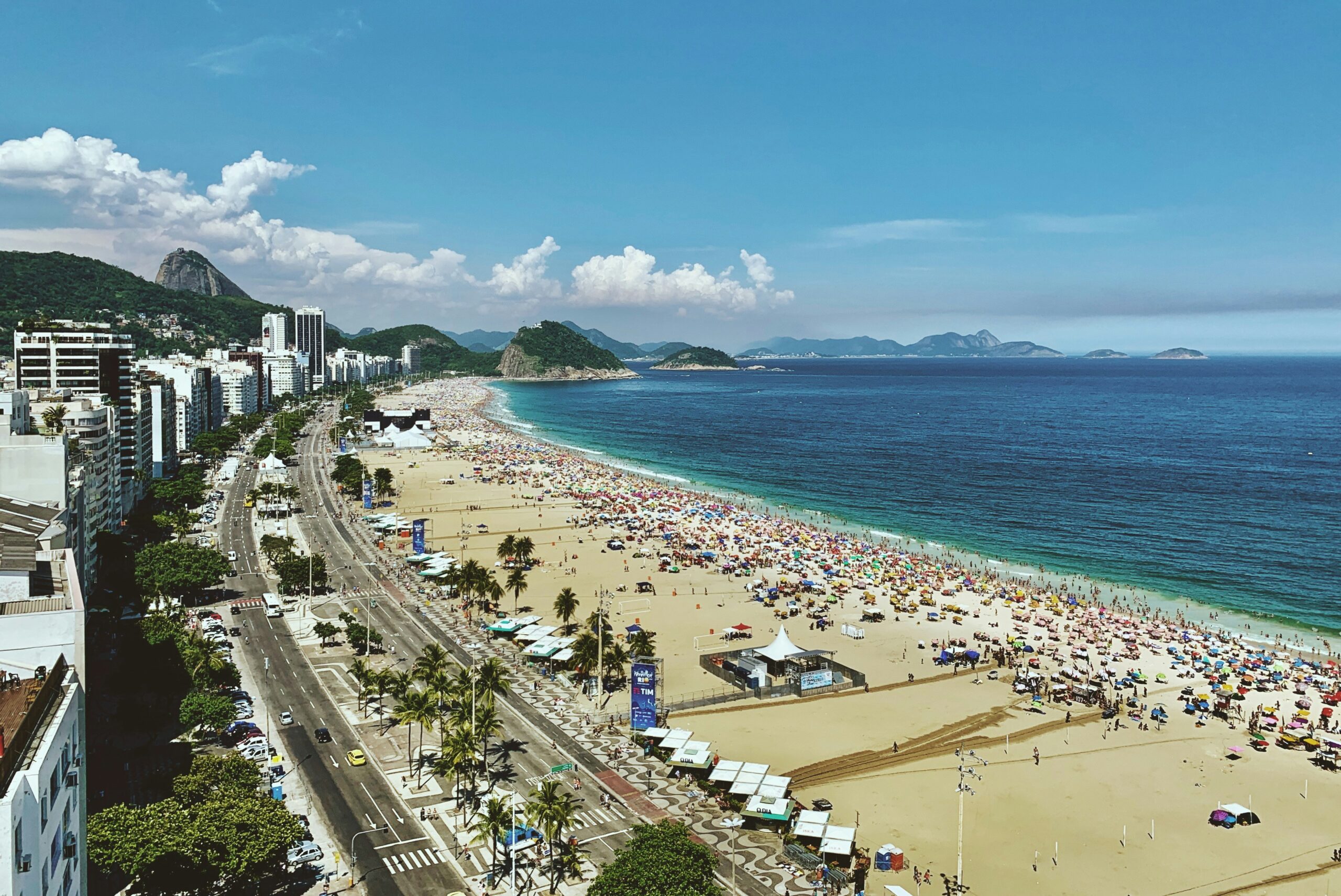
Copacabana beach
Copacabana beach

But let’s go back to Dubrovnk’s Copacabana… It’s a long shingle beach with the possibility of renting sun umbrellas and deck chairs. There you can enjoy different water sports activities: water polo, water skiing, surfing, banana riding, canoes, pedaling, etc. Parachute rides are exceptionally popular as you can catch the whole panorama of this magnificent part of Dubrovnik. For children, there are sea slide chutes on the beach and the grown-ups can rest in a beach bar or a beach restaurant. The beach also hosts windsurfing regattas and Dubrovnik’s local water polo teams matches. Besides a pleasant rest on a beach are offered many different activities with which you can have fun, such as riding on the bananas, water skiing, and parachuting. You can also take a tour of the peninsula with scooters or kayaks to see the imposing city walls.
Read more

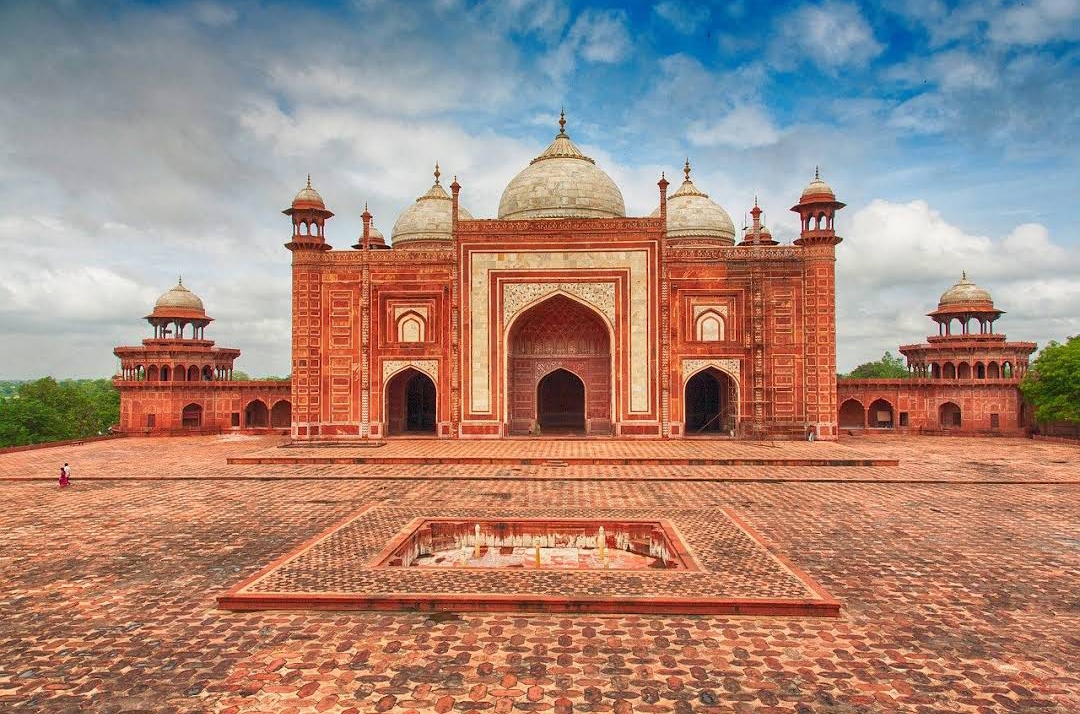
Humayun Tomb: The Great Mughal Monument

Humayun' Tomb

About The Moghul Tomb

Humayun’s Tomb, the final resting place of Mughal Emperor Humayun in Delhi, India, was commissioned by his widow, Hamida Banu Begam, also known as Haji Begam, in 1569, fourteen years after he died in 1556. While there is no recorded evidence of Humayun’s involvement in planning the tomb, it is widely believed that he drew inspiration from Persian architecture during his exile. The construction, costing 15 lakh rupees (1.5 million), employed Mirak Mirza Ghiyath, a Persian architect.

The tomb, situated within a square garden, surrounds four main parterres divided by causeways, with shallow water channels running through their centers. Two lofty double-storeyed gateways on the west and south grant access to the high rubble-built enclosure. An elaborate baradari (pavilion) adorns the center of the eastern wall, while a hammam (bath chamber) is situated in the center of the northern wall.

The square red sandstone mausoleum, with chamfered corners, rises from a 7-meter-high square terrace. Beneath this terrace lies a series of cells accessible through arches on each side, leading to the central chamber containing the cenotaph. Diagonal passages connect to corner chambers housing the graves of other royal family members. Externally, the tomb’s sides are adorned with marble borders and panels, with three arched alcoves dominating each side, the central one being the tallest. Pillared kiosks encircle the high double dome atop the roof.

The octagonal central chamber within the tomb encompasses the cenotaph, surrounded by octagonal chambers at the diagonals and arched lobbies on the sides. Perforated screens close off their openings, while three arches dominate each side, repeating the pattern on the second storey. The marble double dome crowning the roof, reaching 42.5 meters in height, is adorned with pillared kiosks (chhatris).

Humayun' Tomb

Read more

Jantar Mantar Delhi’s most Beautiful monument

About Jantar Mantar:

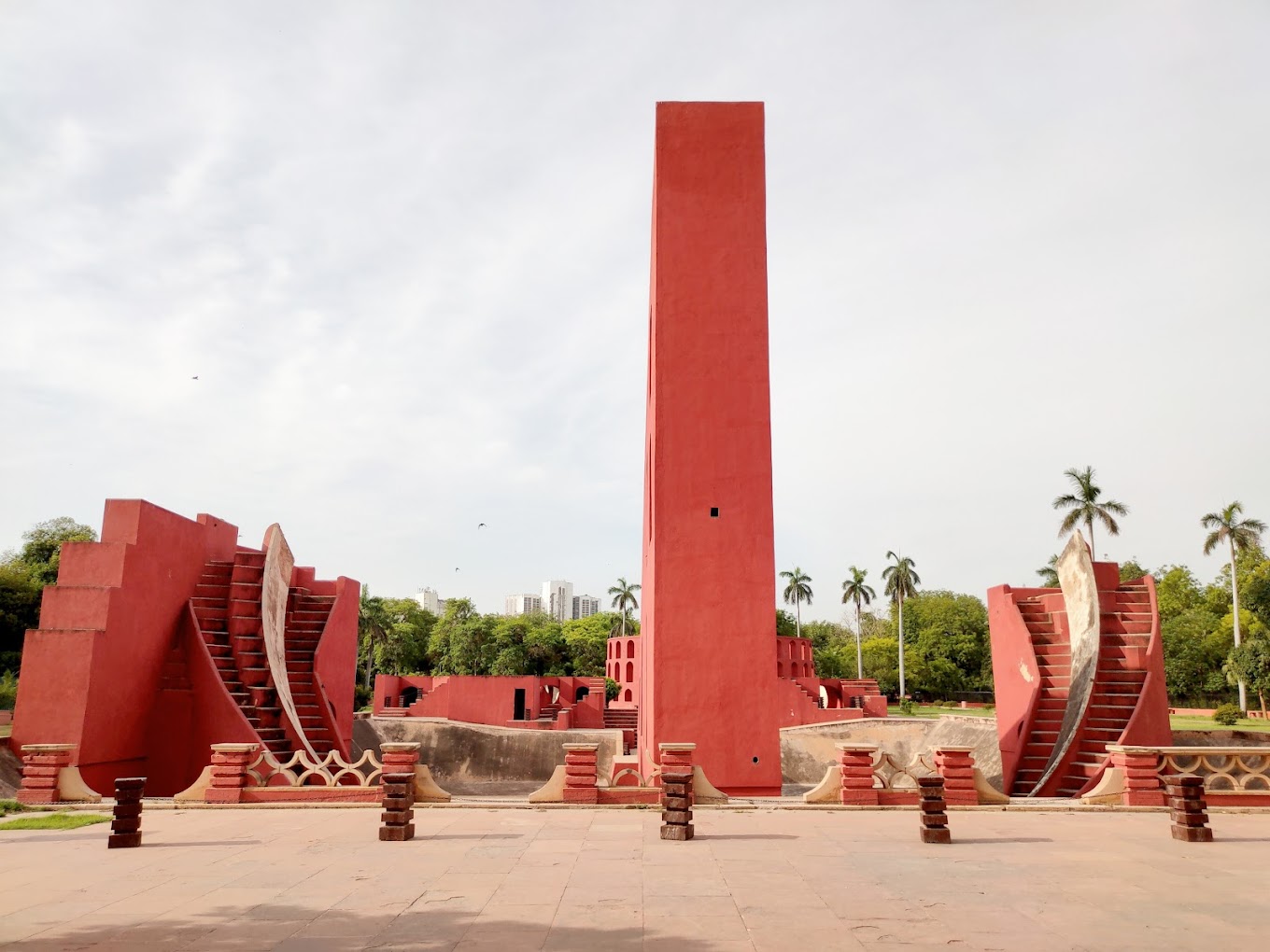
A unique structure raised in 1724, now lies in the heart of Delhi’s commercial center near Connaught Place. Maharaja Jai Singh II of Jaipur raised the Jantar Mantar, one of several astronomical observatories, as part of the five built by him. Mughal emperor Muhammad Shah tasked him with revising the calendar and astronomical tables. Someone placed a plaque on one of the structures in the Jantar Mantar observatory in New Delhi, mistakenly dating the construction of the complex to the year 1710. This occurred in 1910. Later research, though, suggests 1724 as the actual year of construction.

Jantra MantraThe primary purpose of the observatory was to compile astronomical tables and to predict the times and movements of the sun, moon, and planets. Some of these purposes nowadays would be classified as astronomy.

Read more

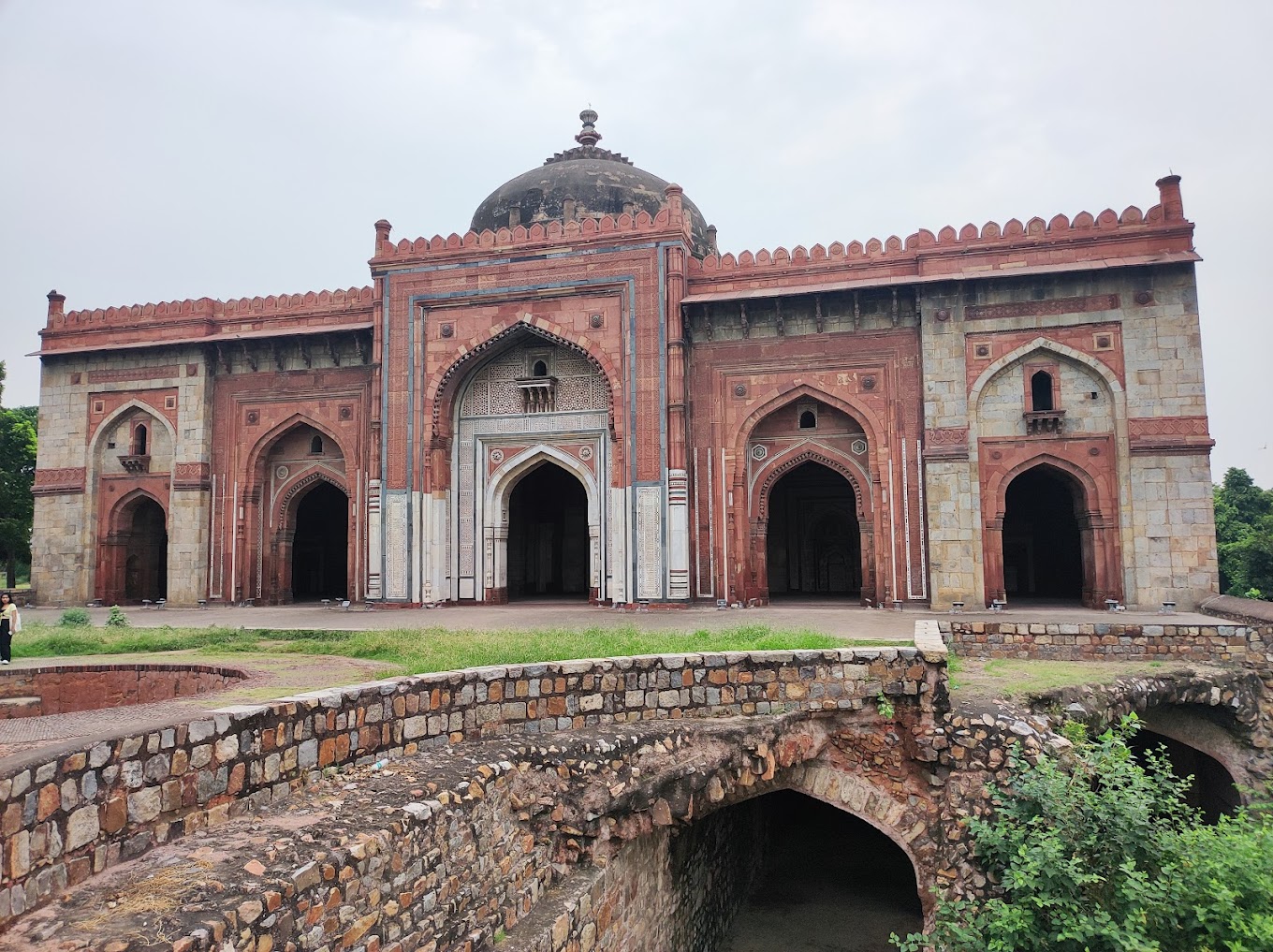
Delhi’s famous Old Fort (Purana Qila)

Old Fort (Purana Qila)

One does not have to go far to see the Old Fort (Purana Qila) standing stoically amidst wild greenery. Built on the site of the most ancient of the numerous cities of Delhi. Indraprastha, Purana Quila is roughly rectangular having a circuit of nearly two kilometers.

Purana Qila is the inner citadel of the city of Dina-panah. Old Fort was founded by the second Mughal Emperor, Humayun in 1533 and completed five years later. Purana Qila and its environs flourished as the sixth city of Delhi.

Sher Shah Suri defeated Humayun in 1540. He renamed the fort as Shergarh, and also added several more structures in the complex, during his reign that lasted for the next five years until he died in 1545.

Subsequently, Islam Shah took over the reins of North India from this fort but later shifted his capital to Gwalior. People believed it to be a safer capital in that period. After Islam Shah died in 1553, Adil Shah took charge of North India, and this fort remained neglected. Adil Shah shifted his capital further east to Chunar in present-day Uttar Pradesh. Humayun, who was based in Kabul got an opportunity to re-capture the citadel and the seat of Delhi in 1555. Fifteen years after he had to leave it, though his reign didn’t last long. He died only a year later in January 1556, due to a tragic accident, within the fort complex at Sher Mandal.Old Fort (Purana Qila)

Read more

India Gate Delhi – All India War Memorial

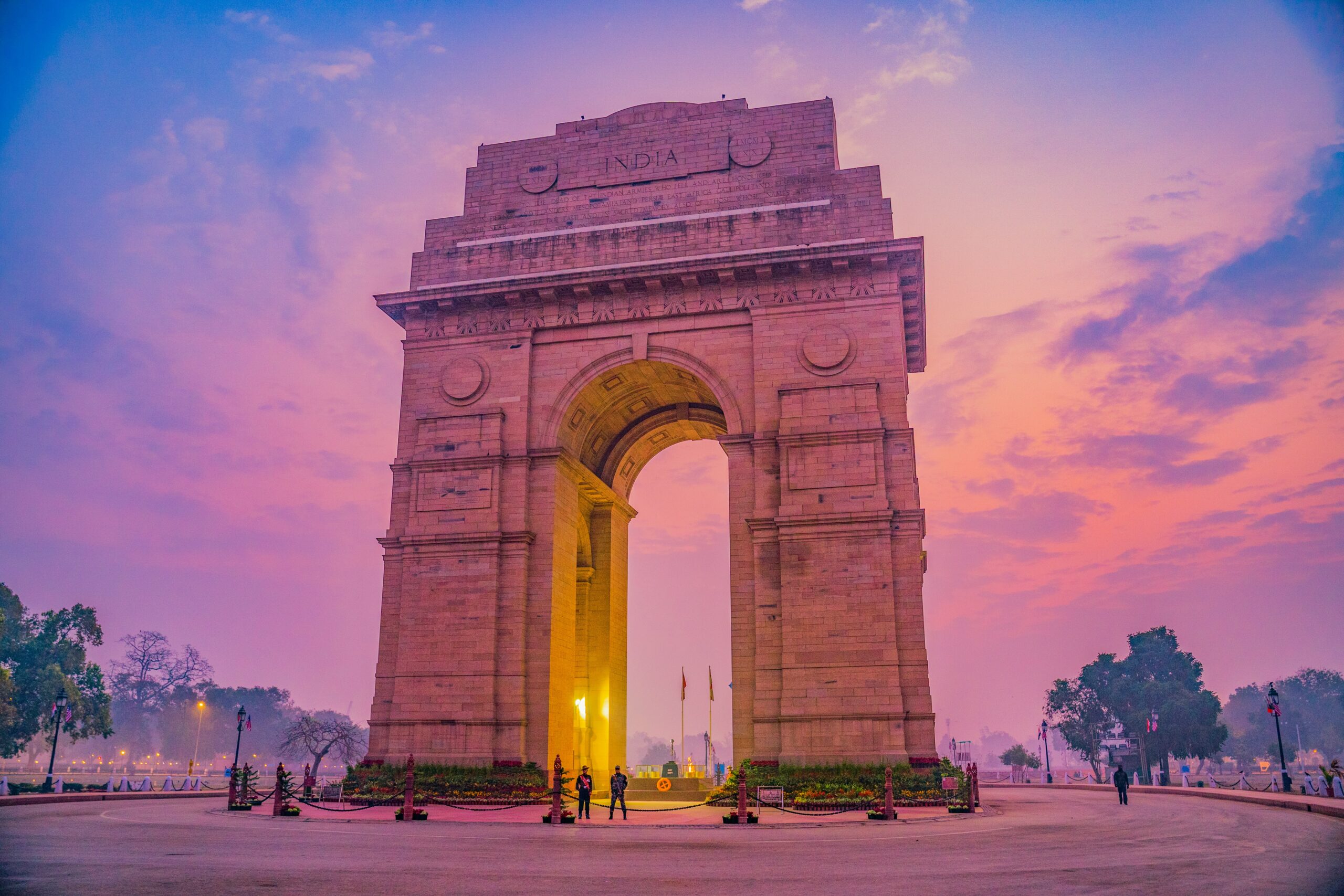
India Gate

About India Gate

At the center of New Delhi stands the 42 m high India Gate, an “Arc-de-Triomphe” like archway in the middle of a crossroad. Almost similar to its French counterpart. It commemorates the 70,000 Indian soldiers who lost their lives fighting for the British Army during World War I. The memorial bears the names of more than 13,516 British and Indian soldiers. Who was killed in the Northwestern Frontier in the Afghan War of 1919.

History and Significance

The India Gate is the national monument of India. Sir Edwin Lutyens designed India Gate, situated in the heart of New Delhi. Inspired by the Arc de Triomphe in Paris, the structure was built in 1931. Originally known as the All India War Memorial. It is a prominent landmark in Delhi and commemorates the 90,000 soldiers of the Indian Army. Who lost their lives while fighting for the Indian Empire, or more correctly the British Raj, in World War I and the Third Anglo-Afghan War. Red and pale sandstone and granite compose it.

Design and Construction

Originally, a statue of George V of the United Kingdom stood under the now vacant canopy in front of the India Gate. They removed it to Coronation Park together with other statues. Following India’s independence, the India Gate became the site of the Indian Army’s Tomb of the Unknown Soldier, known as Amar Jawan Jyoti (“the flame of the immortal soldier”).

India Gate
India Gate

Post-Independence Era

Until the 1920s, the Old Delhi Railway Station served the entire city and the Agra-Delhi railway line cut right through. What is today called Lutyens’ Delhi? The site is earmarked for the hexagonal All-India War Memorial (India Gate), on Kingsway (Rajpath). The government opened the New Delhi Railway Station in 1926, preceding the inauguration of the city in 1931. The government opened the New Delhi Railway Station in 1926, preceding the inauguration of the city in 1931.

The 42-metre-tall India Gate sits in such a way that many important roads spread out from it. Due to terrorist threats, authorities closed the roads to the public, causing traffic to continuously pass around India Gate.

Read more