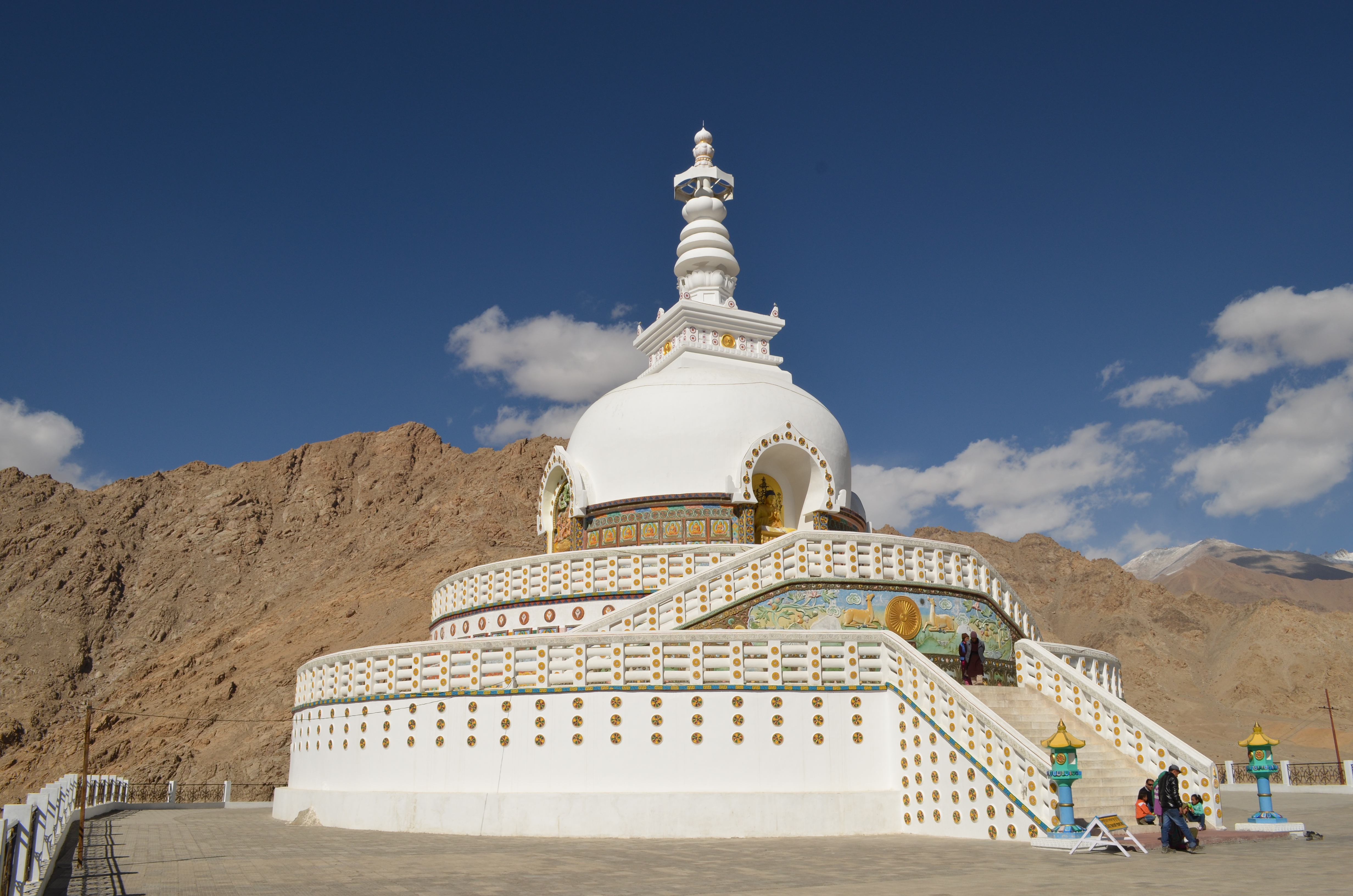
Shanti Stupa in Ladakh, Jammu & Kashmir
Shanti Stupa in Ladakh is a Buddhist Monastery located in the Changspa area of Ladakh. Shanti Stupa was built around 25 years ago by the Japanese Buddhist Organization namely Japanese…

Shanti Stupa in Ladakh is a Buddhist Monastery located in the Changspa area of Ladakh. Shanti Stupa was built around 25 years ago by the Japanese Buddhist Organization namely Japanese…
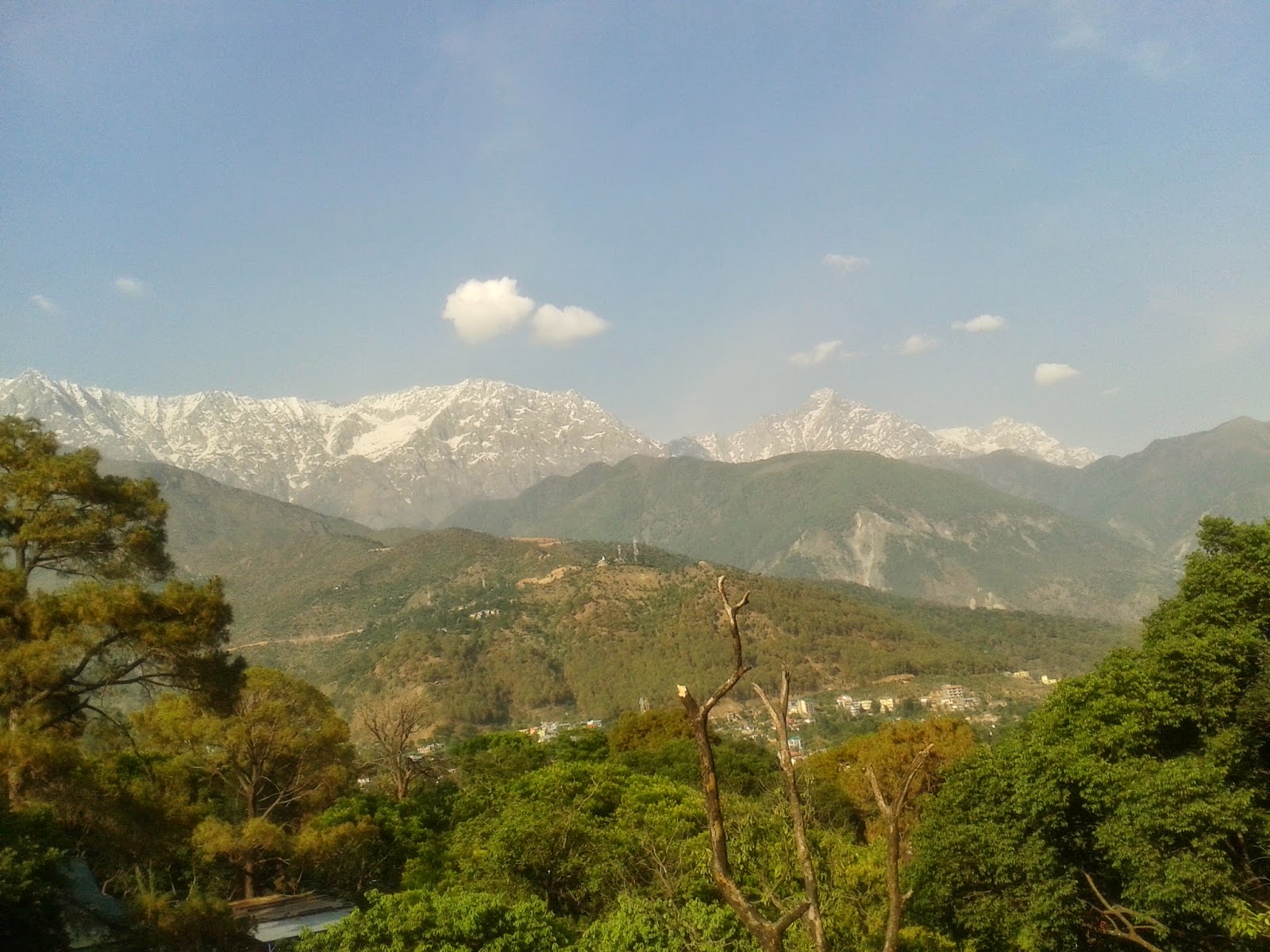
Set against the backdrop of the dramatic Dhauladhar Mountains the hill station of Dharamsala is perched at the elevation ranges from 1,250 m to 2,000 m above the sea level in the upper reaches of Kangra Valley in Himachal Pradesh. The town is divided into two distinct and widely separated sections Upper and Lower Dharamsala differing by about 1000m in altitude. Today the hill station of Dharamsala become popular on the world map as it is the seat of His holiness the 14th Dalai Lama. It also houses a large settlement of Tibetan refugee. The hill station of Dharamsala also has number of monasteries and temples which serves as a major tourist attraction. Even if the Tibetan community dominates the town but it still retained its colonial lifestyle and British fervors.

Kanheri (19°13’ N; 72°55’ E), the Kanhasela, Krishnagiri, Kanhagiri of ancient inscriptions, is located north of Mumbai, was a major Buddhist centre. The Kanheri Caves are a group of rock-cut monuments, located north of Borivali on the western outskirts of Mumbai, India, deep within the green forests of the Sanjay Gandhi National Park. It is 6 km from the National Park Main Gate & 7 km from Borivali Station. Tourists can go in after 7.30 a.m. Kanheri Caves are signs of Buddhist influence on art and culture in India. Kanheri comes from the Sanskrit word Krishnagiri meaning black mountain. They were chiseled out of a massive basaltic rock outcropping. About Kanheri Caves Kanheri thrived due to its proximity to ancient sea port towns like Sopara (Surparaka, the Supara of Greek; Subara of Arab writers; the ancient capital of northern Konkan), Kalyan a thriving port; Chemula, the Samylla of Greek geographers, Chemula of Silaharas, on the island of Trombay; the other ancient localities nearby were Vasya, perhaps Vasai or Bassein; Sri Staanara or Thana; and Ghodabandar. These caves date from 1st century BCE to 10th century CE. In total in the basalt there have been carved 109 caves. Unlike the elegant splendor of Elephanta Caves nearby, the earlier cells are spartan and unadorned. Each cave has a stone plinth for a bed. A congregation hall with huge stone pillars contains the stupa, a Buddhist shrine. Farther up the hill are the remains of an ancient water system, canals and cisterns that collected and channeled the rainwater into huge tanks. Once the caves became permanent monasteries, they began to be carved out of the rock with intricate reliefs of Buddha and the Bodhisattvas carved into the walls. Kanheri had become an important Buddhist settlement on the Konkan coast by the 3rd century A.D.
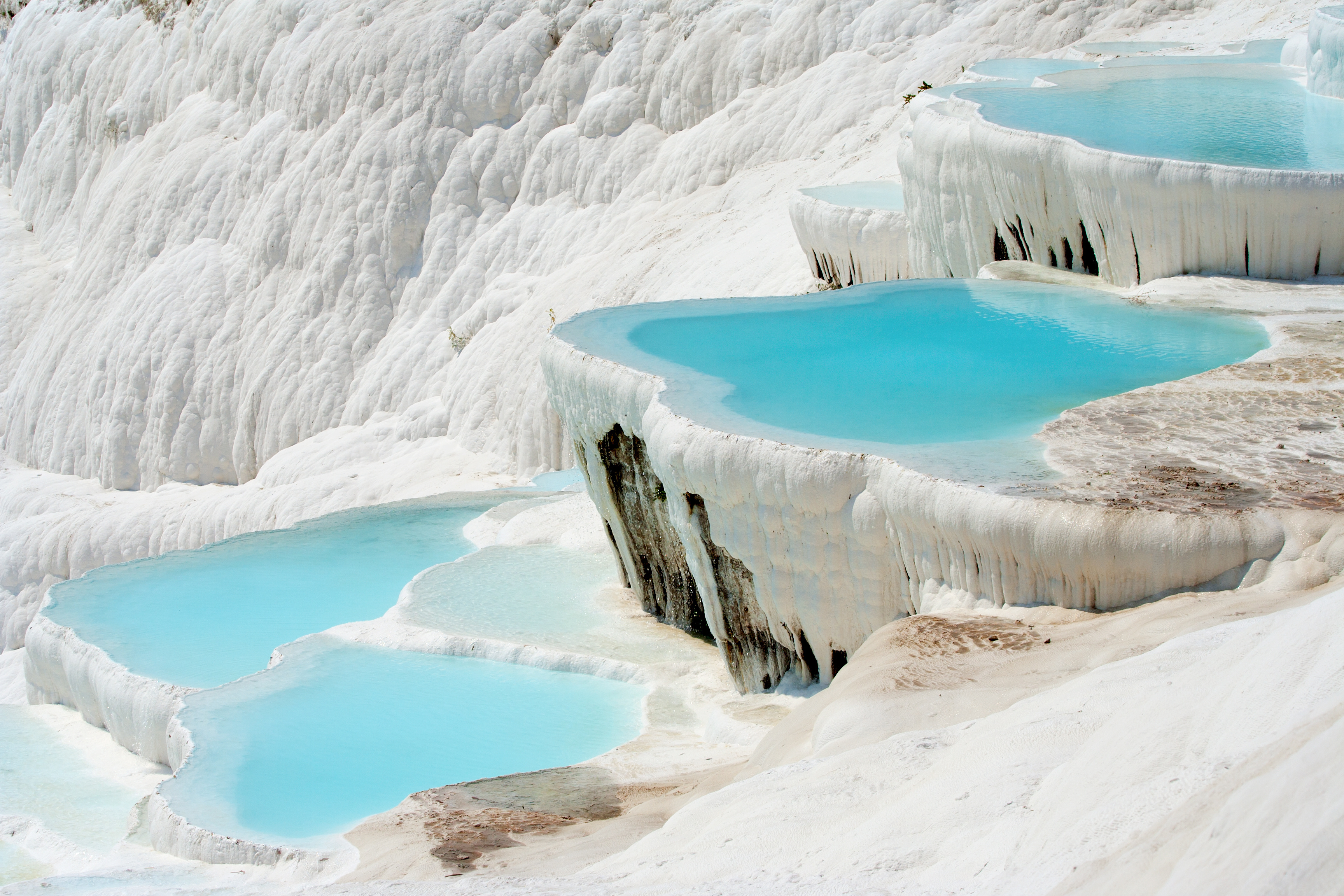
Pamukkale is one of Turkey’s top attractions and a precious in the world with its cotton-look terraces. The underground water once gave life to the ancient city of Hierapolis now…
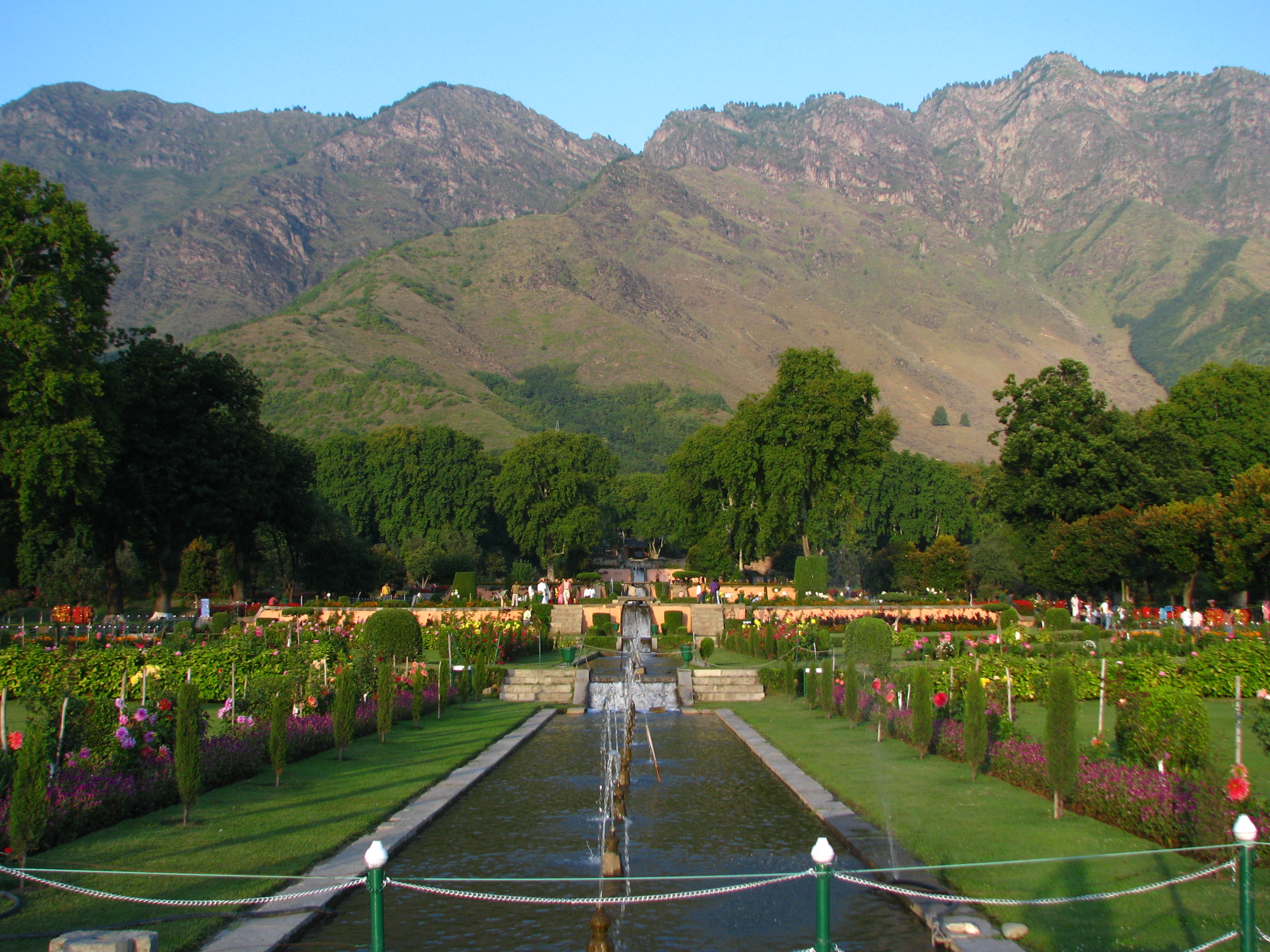
Nishat garden is the largest one of the Mughal gardens in Kashmir. It is situated on the banks of the picturesque Dal Lake. Also known as “the garden of bliss”, the Nishat gardens have the Zabarwan Mountains forming its backdrop. Asaf Khan, the brother of Nur Jahan, designed the Kashmir Nishat Bagh in 1633 AD. Within the garden are ruins of some of the buildings dating back to the Mughal period. One of them is a double story pavilion enclosed on two sides with latticed windows. There is also a small spring behind the garden, known as Gopi Tirth. It is a source of supply of crystal clear water to the garden.