Delhi’s famous Old Fort (Purana Qila)

Old Fort (Purana Qila)

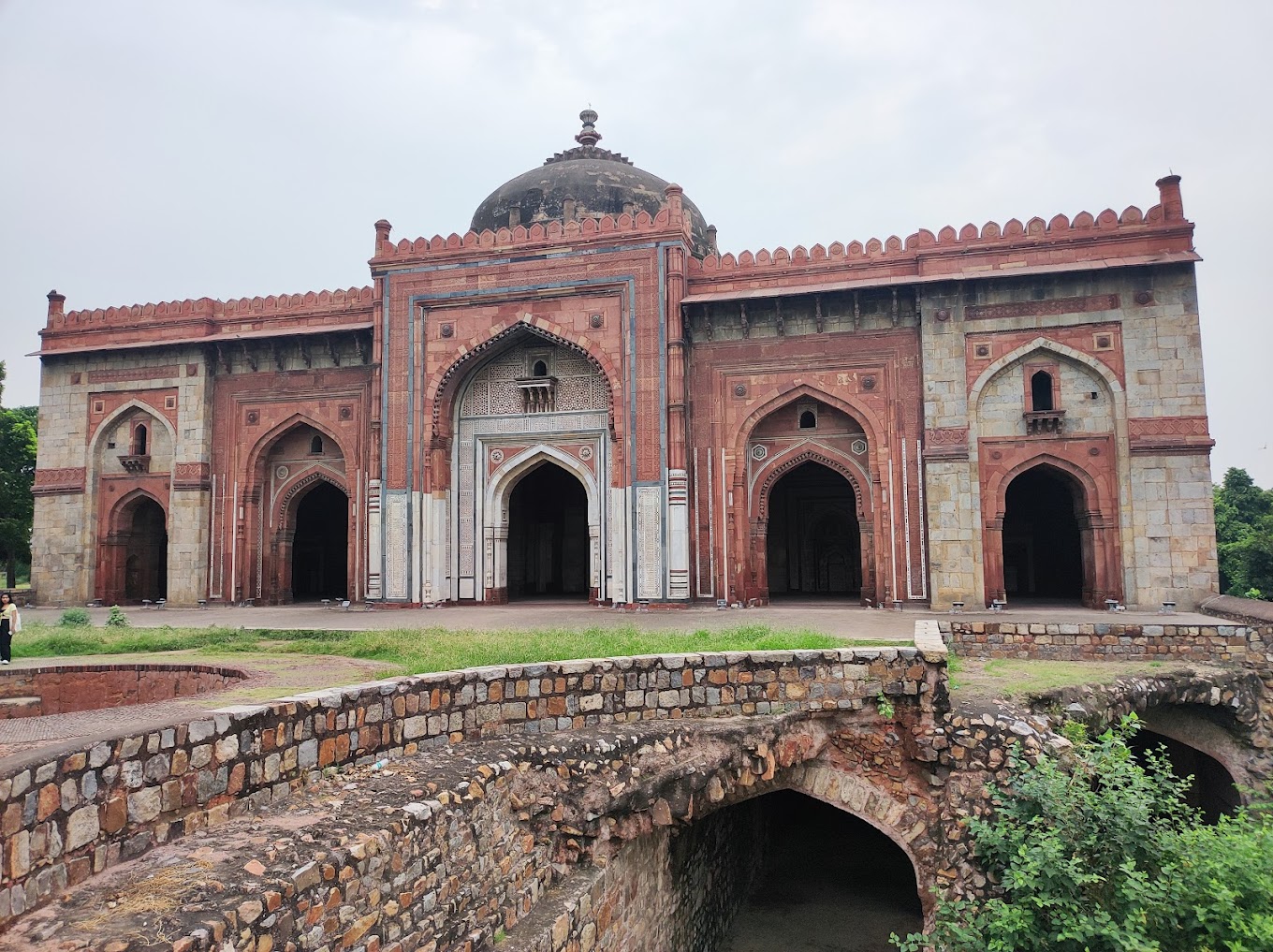
One does not have to go far to see the Old Fort (Purana Qila) standing stoically amidst wild greenery. Built on the site of the most ancient of the numerous cities of Delhi. Indraprastha, Purana Quila is roughly rectangular having a circuit of nearly two kilometers.

Purana Qila is the inner citadel of the city of Dina-panah. Old Fort was founded by the second Mughal Emperor, Humayun in 1533 and completed five years later. Purana Qila and its environs flourished as the sixth city of Delhi.

Sher Shah Suri defeated Humayun in 1540. He renamed the fort as Shergarh, and also added several more structures in the complex, during his reign that lasted for the next five years until he died in 1545.

Subsequently, Islam Shah took over the reins of North India from this fort but later shifted his capital to Gwalior. People believed it to be a safer capital in that period. After Islam Shah died in 1553, Adil Shah took charge of North India, and this fort remained neglected. Adil Shah shifted his capital further east to Chunar in present-day Uttar Pradesh. Humayun, who was based in Kabul got an opportunity to re-capture the citadel and the seat of Delhi in 1555. Fifteen years after he had to leave it, though his reign didn’t last long. He died only a year later in January 1556, due to a tragic accident, within the fort complex at Sher Mandal.Old Fort (Purana Qila)
Read more

India Gate Delhi – All India War Memorial

India Gate

About India Gate

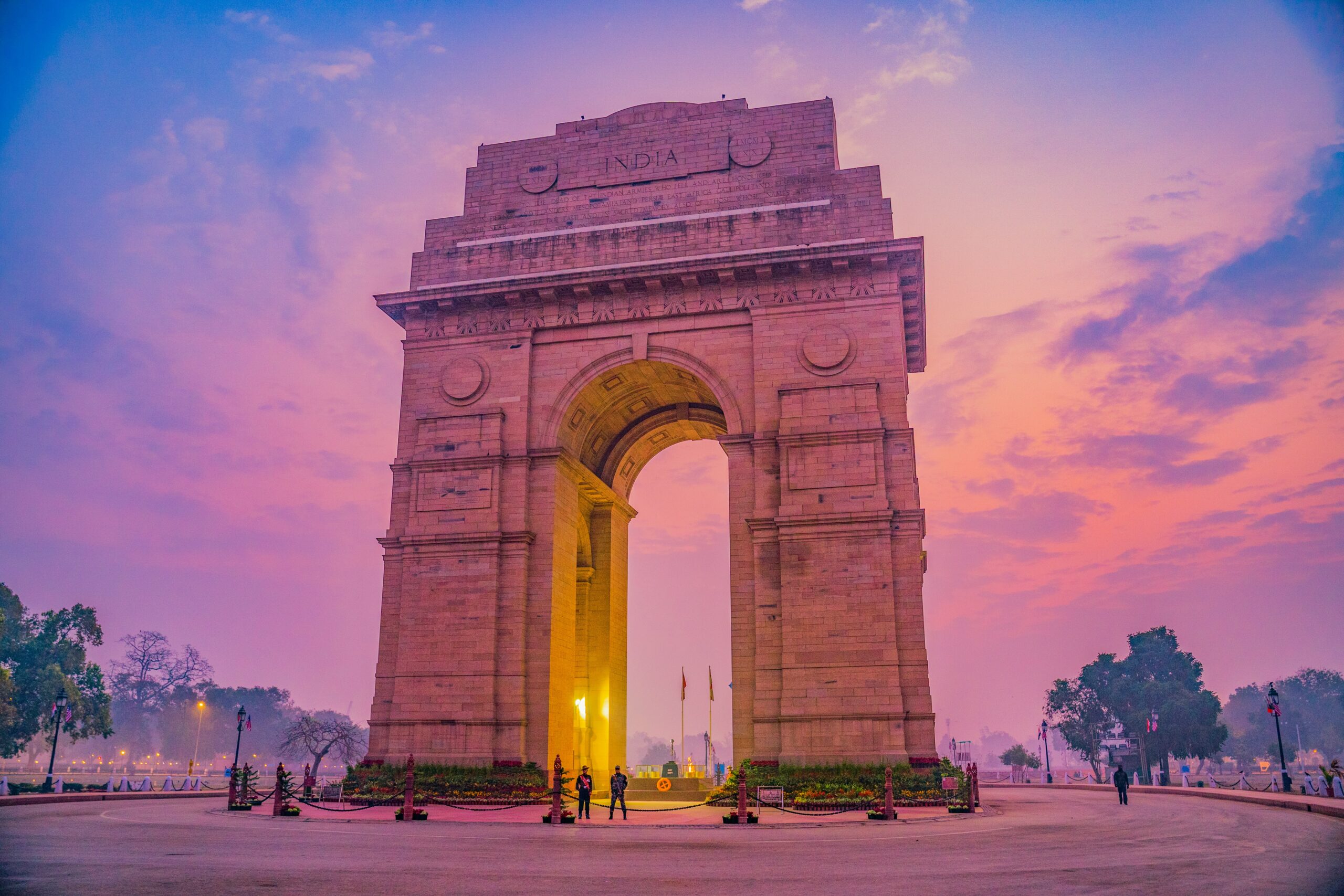
At the center of New Delhi stands the 42 m high India Gate, an “Arc-de-Triomphe” like archway in the middle of a crossroad. Almost similar to its French counterpart. It commemorates the 70,000 Indian soldiers who lost their lives fighting for the British Army during World War I. The memorial bears the names of more than 13,516 British and Indian soldiers. Who was killed in the Northwestern Frontier in the Afghan War of 1919.

History and Significance

The India Gate is the national monument of India. Sir Edwin Lutyens designed India Gate, situated in the heart of New Delhi. Inspired by the Arc de Triomphe in Paris, the structure was built in 1931. Originally known as the All India War Memorial. It is a prominent landmark in Delhi and commemorates the 90,000 soldiers of the Indian Army. Who lost their lives while fighting for the Indian Empire, or more correctly the British Raj, in World War I and the Third Anglo-Afghan War. Red and pale sandstone and granite compose it.

Design and Construction

Originally, a statue of George V of the United Kingdom stood under the now vacant canopy in front of the India Gate. They removed it to Coronation Park together with other statues. Following India’s independence, the India Gate became the site of the Indian Army’s Tomb of the Unknown Soldier, known as Amar Jawan Jyoti (“the flame of the immortal soldier”).

India Gate
India Gate

Post-Independence Era

Until the 1920s, the Old Delhi Railway Station served the entire city and the Agra-Delhi railway line cut right through. What is today called Lutyens’ Delhi? The site is earmarked for the hexagonal All-India War Memorial (India Gate), on Kingsway (Rajpath). The government opened the New Delhi Railway Station in 1926, preceding the inauguration of the city in 1931. The government opened the New Delhi Railway Station in 1926, preceding the inauguration of the city in 1931.

The 42-metre-tall India Gate sits in such a way that many important roads spread out from it. Due to terrorist threats, authorities closed the roads to the public, causing traffic to continuously pass around India Gate.

Read more

Birla House-The Gandhi Smriti Monument

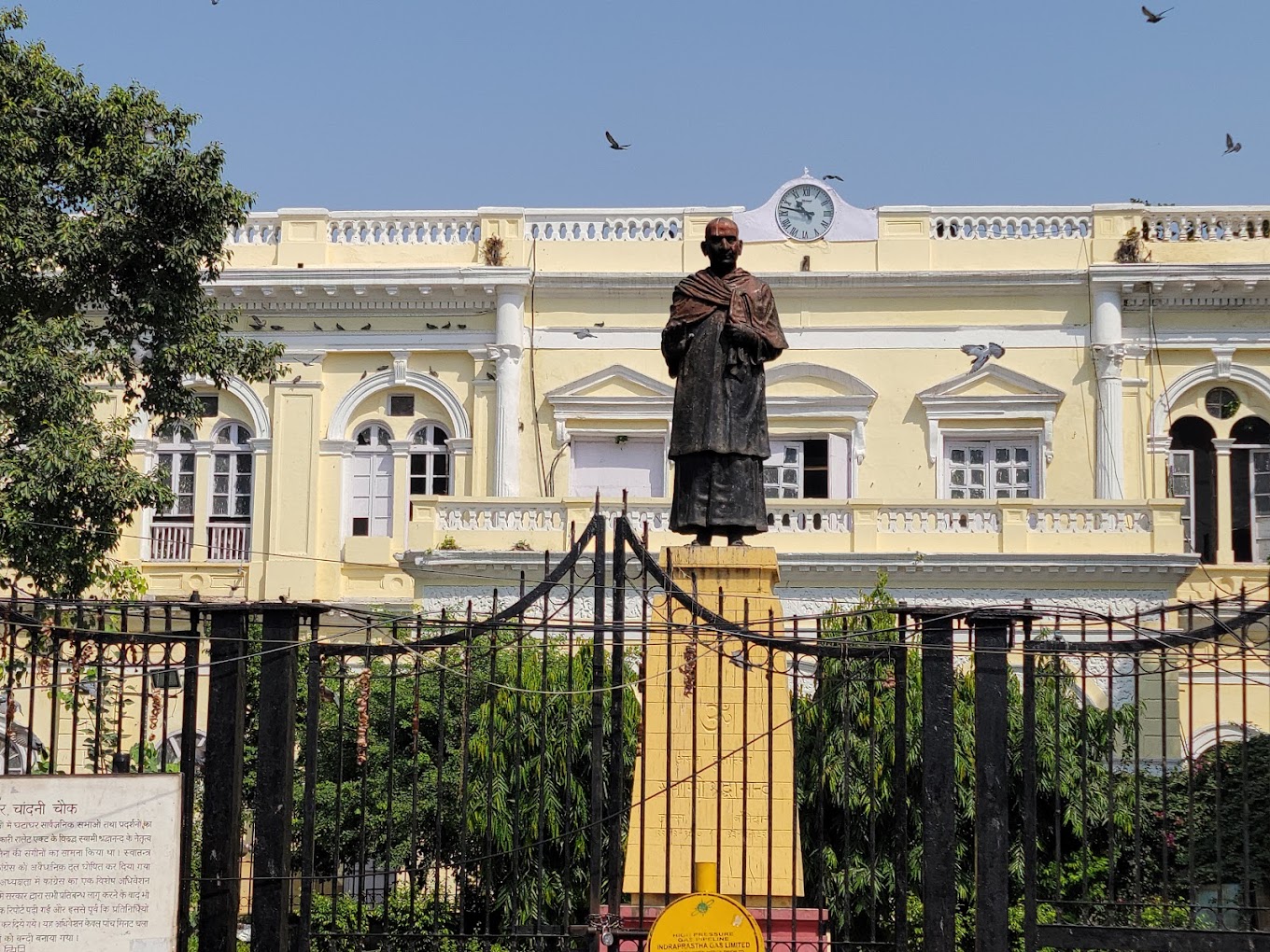
Gandhi Smriti Monument

Formerly known as Birla House or Birla Bhavan, Gandhi Smriti Monument, is situated on Tees January Road in New Delhi, India. Gandhi Smriti Monument is a museum dedicated to Mahatma Gandhi. The location where Mahatma Gandhi spent the last 144 days of his life and was assassinated on January 30, 1948, was originally the house of the Indian business tycoons, the Birla. It now houses the Eternal Gandhi Multimedia Museum established in 2005.Gandhi Smriti Monument

Read more

Ashokan Pillar (the Iron Pillar)

Asoka Pillar

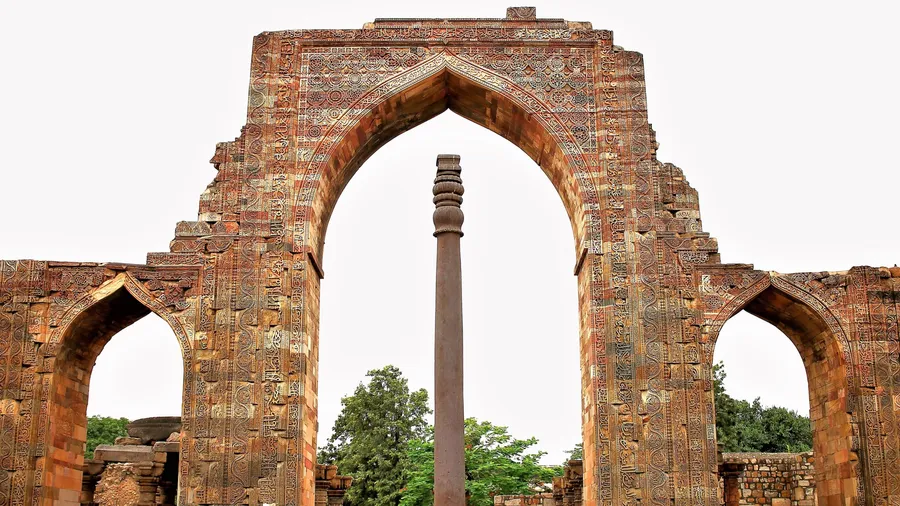
The Iron Pillar (also known as the Ashokan Pillar) of Delhi, India. It is a 7 m (23 ft) high pillar in the Qutb complex, notable for the composition of the metals used in its construction.

Scholars attribute the creation of the pillar, weighing more than six tons, to the era of Chandragupta Vikramaditya (375–413) of the Gupta Empire. Although some suggest earlier dates as early as 912 BCE. Initially, the pillar stood at the center of a Jain temple complex containing twenty-seven temples. However, Qutb-ud-din Aybak destroyed these temples. He utilized their materials in constructing the Quwwat-ul-Islam mosque and the Qutub Minar complex, where the pillar remains today.

Archaeologists and metallurgists have been drawn to the pillar. Which they deem “a testament to the skill of ancient Indian blacksmiths.” Its remarkable corrosion resistance is attributed, to both the Delhi environment and the high phosphorus content in the iron. Which forms a protective layer of crystalline iron hydrogen phosphate.Asoka Pillar

Read more

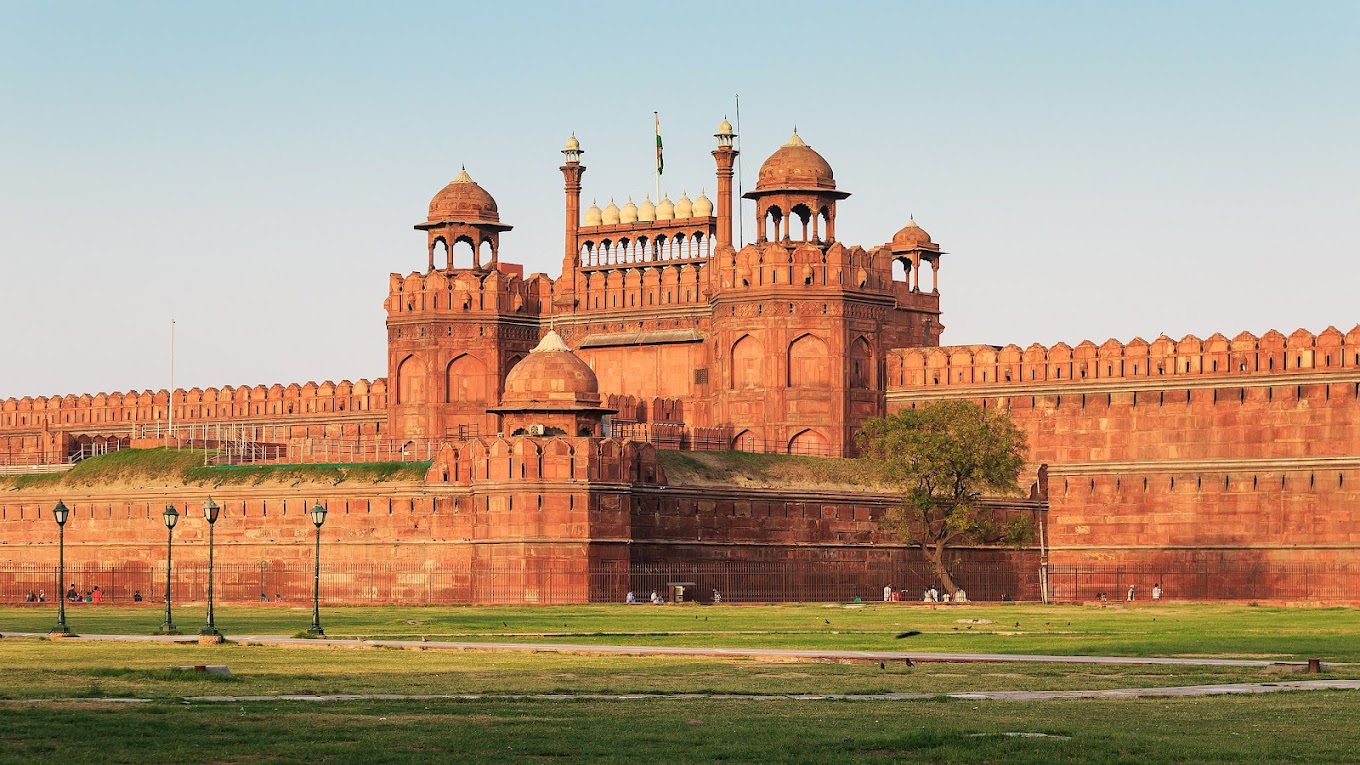
Delhi’s most Incredible monument Red Fort (Lal Qila)

Red Fort

About Red Fort (Lal Qila)

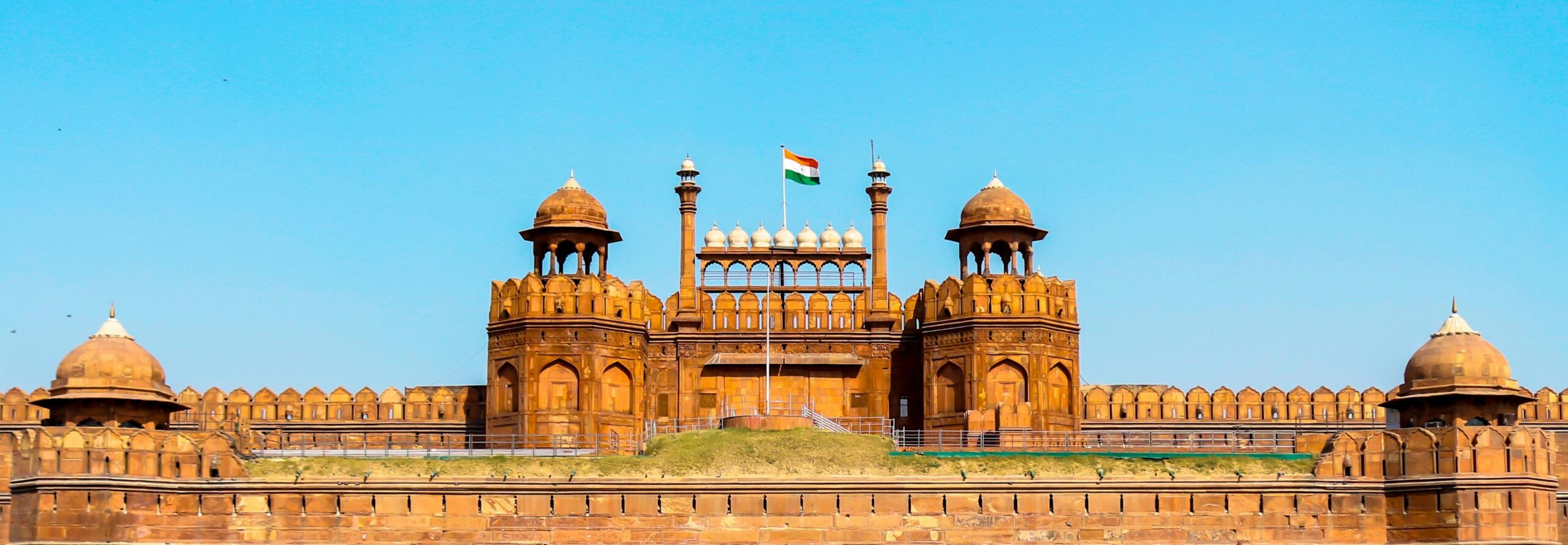
In 1638 Shahjahan transferred his capital from Agra to Delhi and laid the foundations of Shahjahanabad, the seventh city of Delhi.  The Red Fort or the Lal Quila as it is traditionally called is situated in old Delhi, the capital of India. The Mughal Emperor Shah Jahan built the Red Fort in the 17th century. It took around 9 years and approximately 10 million rupees to complete this magnificent structure. The Red Fort is a masterpiece of architecture and is one of the most visited spot in old Delhi. Tourists from India and abroad never miss the opportunity to visit this huge structure.

Red Fort
Red Fort

How to Reach

Tourists can easily take a taxi or other mode of transport to reach the place. If you are new to the city, the city map can be of great help. You can also find the right road to reach the place and check out the nearby places as well. The Red Fort, situated on the banks of the Yamuna River, remains a significant monument, offering a glimpse of past grandeur. Apart from the magnificent fort, one can also find various beautiful structures inside the fort like the halls of public, marble palaces, mosque, gardens, and plush apartments all in their rich architecture that shows you the prosperous past of the Emperor. Even today, the fort continues to mesmerize visitors with its impressive red sandstone walls, huge bastions, and intricate wall designs, which are unparalleled in other structures. Red Fort

Read more