American Museum of Natural History

American museum of natural history

Introduction

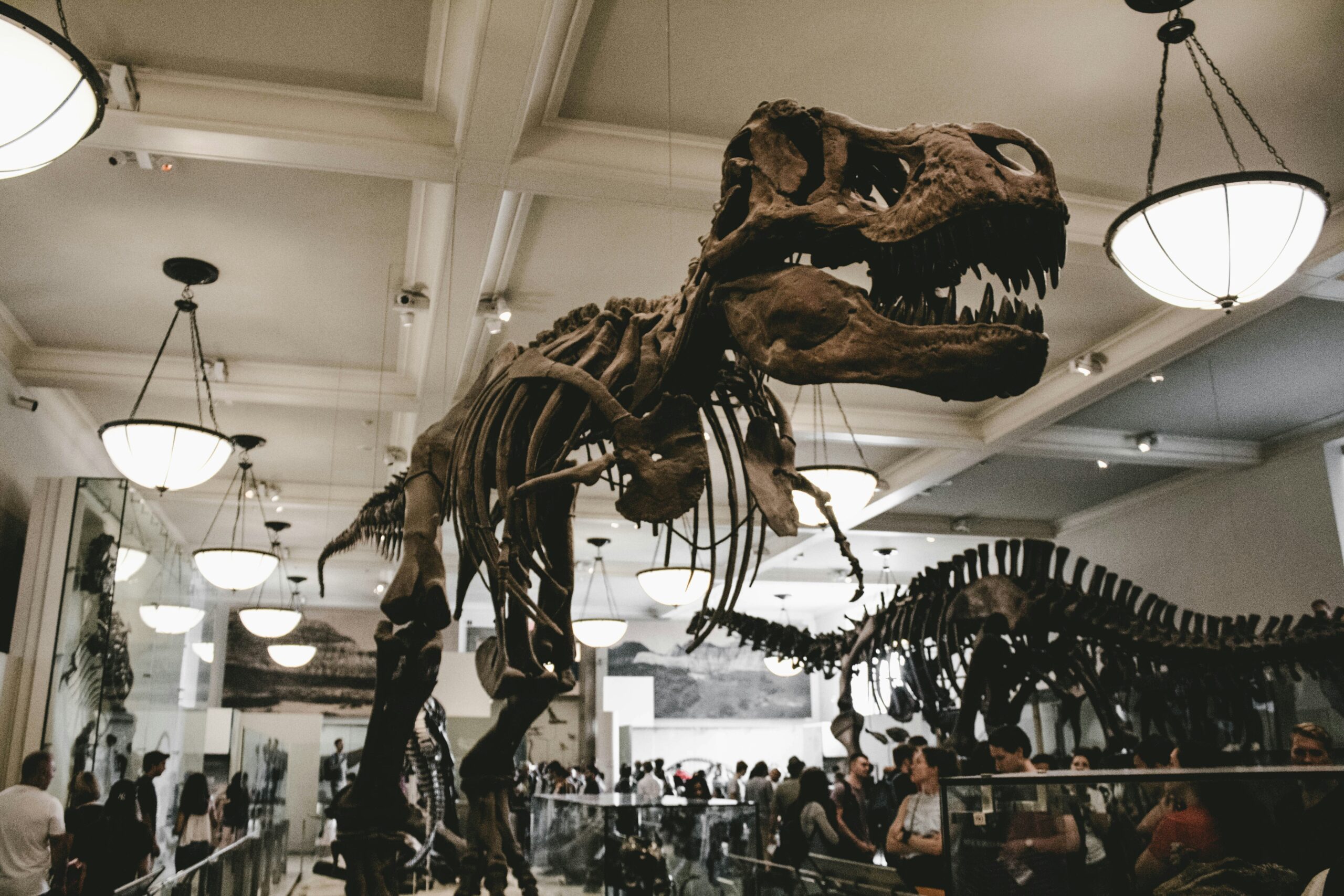
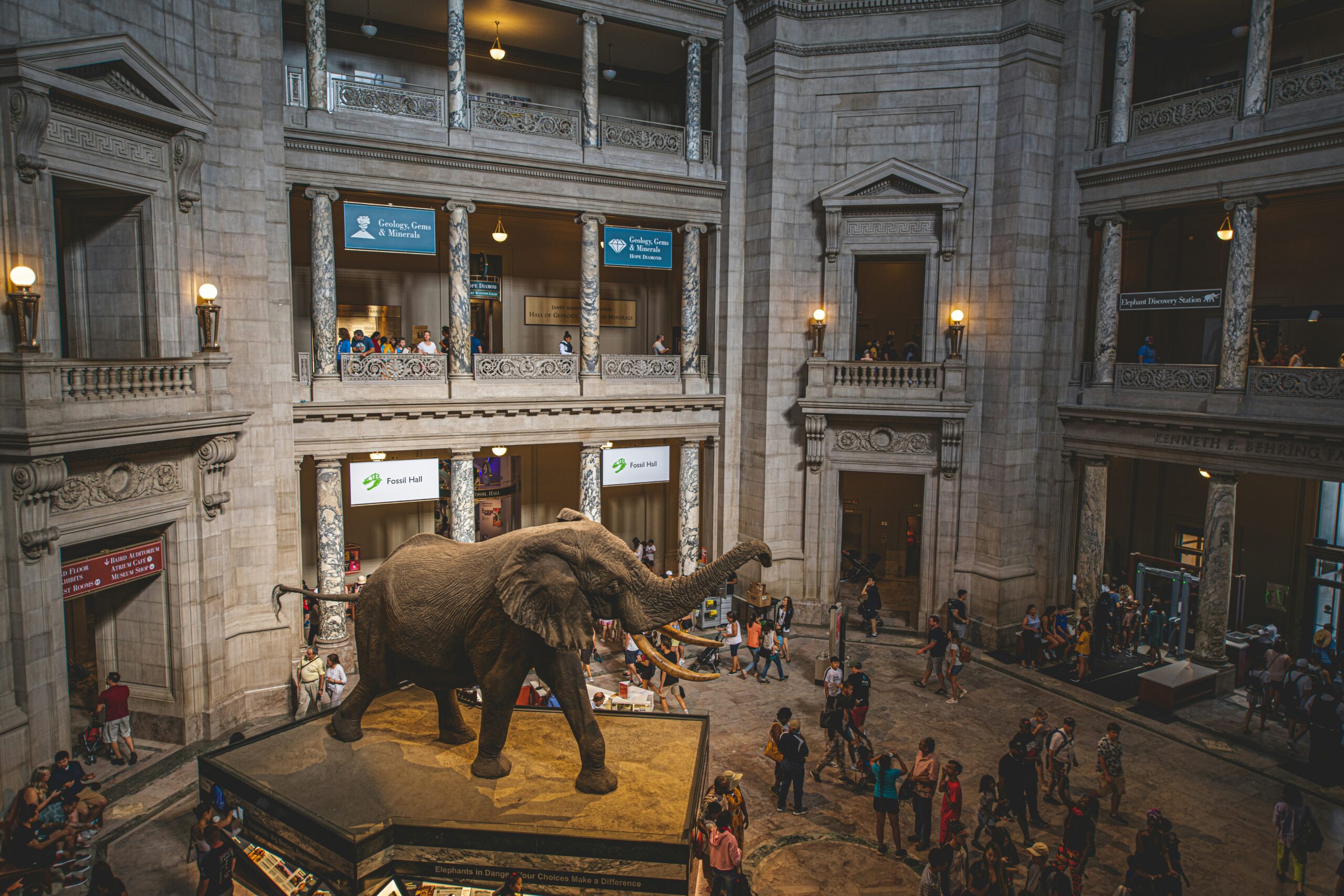
The American Museum of Natural History, nestled in an 18-acre park off Central Park West in Manhattan, comprises 27 interconnected buildings. These house 45 permanent exhibition halls, a library, a planetarium, and spaces for temporary exhibits and scientific research. Founded in 1869 as a museum and library to promote scientific study, it organized exploratory expeditions to remote regions including Pacific islands and Africa. These expeditions significantly expanded its collection, which now exceeds 32 million specimens and artifacts. The museum continues to conduct about 120 expeditions and field projects annually worldwide. Voted the Number One Family Attraction in New York City, the museum is the largest of its kind globally. It offers a wide array of artifacts, displays, and exhibits that unveil the secrets of the natural world, making it a top destination for visitors.
american museum of natural history
American museum of natural history

Read more

Waikiki Beach

waikiki beach

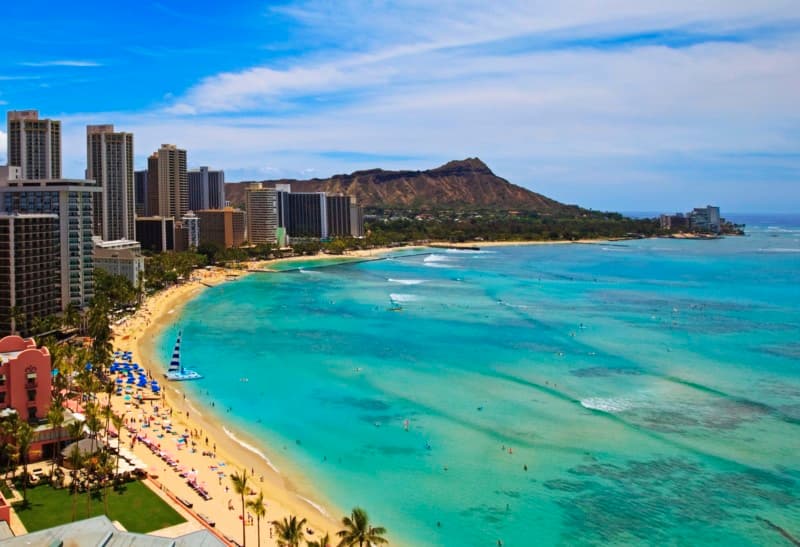
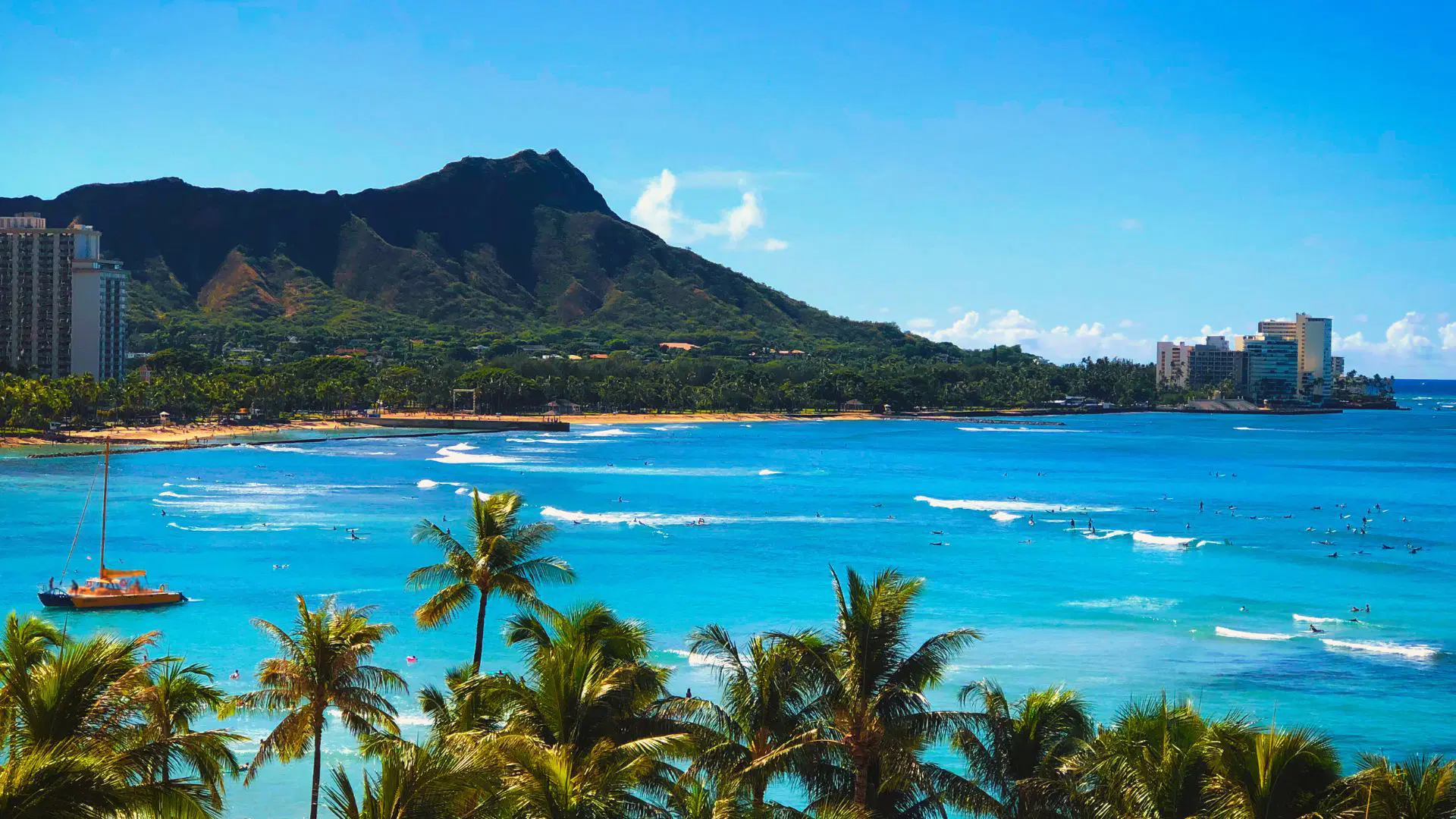
The neighborhood extends from the Ala Wai Canal (a channel dug to drain former wetlands) on the west and north, to Diamond Head on the east. Waikiki Beach is noted for its views of the Diamond Head tuff cone, its usually warm and cloud-free climate, and its surf break. Now, an abundance of both high-rises and resort hotels dot the Waikiki skyline. The beach is fairly short, with half of it marked off for surfers. For some distance into the ocean, the water is quite shallow, although there are numerous rocks on the bottom. As with most ocean beaches, the waves can have some force, particularly on windy days. The surf at Waikiki is renowned for its long rolling break, making it ideal for longboarding, tandem surfing, and beginners.

Waikiki Beach
Waikiki Beach

Read more